Foreign Policy: It Is Time to Document Sudan’s War Crimes
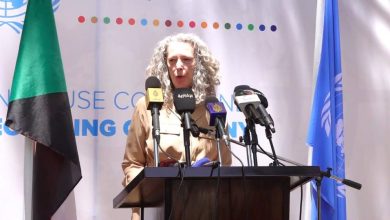
Journalist Janine di Giovanni, CEO of the Reckoning Project and senior fellow at Yale University’s Jackson School of Global Affairs, has called for urgent action to document the ongoing massacres in Sudan and to avoid repeating the mistakes that accompanied previous atrocities—such as those in Bosnia and Rwanda.
In her article for Foreign Policy, she wrote that as a war correspondent in the 1990s, she witnessed the world’s failure to prevent two genocides and later its struggle to hold perpetrators accountable.
She explained that more than 150,000 people have been killed in the war between the Sudanese Armed Forces and the Rapid Support Forces since April 2023, and that the evidence is now visible from space.
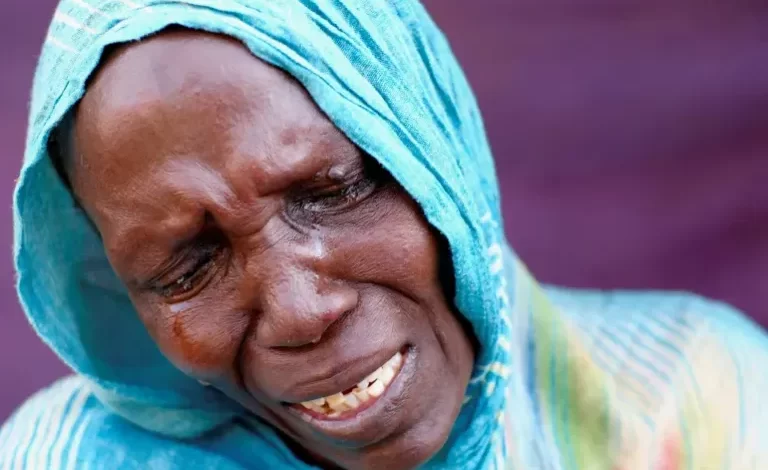
She noted that the city of El-Fasher fell in October to the RSF following a brutal 18-month siege during which food, electricity, and water crises reached critical levels. After the fall, reports emerged of mass executions, rape, deliberate obstruction of aid, and sightings of mass graves.
She added that the fall of El-Fasher marked a turning point and stressed that the time has come to move toward documentation and then accountability. Stopping the ongoing violence is urgent, she said, but collecting evidence is no less pressing.
Di Giovanni quoted Jehanne Henry, a Sudan expert who leads the Reckoning Project’s work in Darfur, describing the flood of evidence coming out of the region through phones and social media.
“We have seen RSF fighters film themselves killing civilians and boasting about it,” Henry said. “Human rights organizations have verified these images and cross-referenced them with satellite data, even identifying some individual commanders. There is no longer any doubt about the violations.”
Di Giovanni emphasized that the challenge now is to integrate digital evidence into formal justice mechanisms, noting that courts must adapt to new forms of verification and work more closely with civil society. States, she added, must also be willing to act on the information they have and commit to arresting perpetrators.
In her Foreign Policy article, she recalled that the world watched as more than 800,000 people were killed in Rwanda in just 100 days in 1994.
Later, in 1995, a horrific massacre occurred in Srebrenica, Bosnia, where more than 8,000 Muslims were killed in a town the United Nations had declared a “safe zone.”
She added that both atrocities unfolded before the eyes of the international community, exposing its incapacity to gather and preserve evidence in cases of crimes against humanity.