Addressing the Shortage of Equipment and Devices in Blood Transfusion Banks
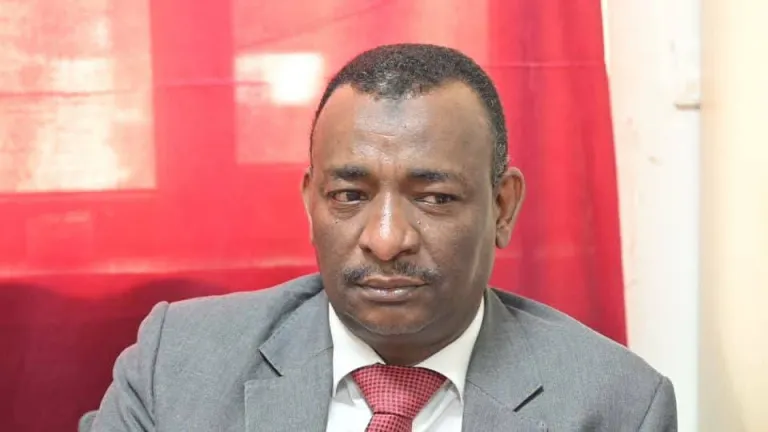
Dr. Issam Al-Din Hassan, Director of the National Blood Bank Services Program, confirmed that the program is currently working on several strategic projects aimed at developing blood transfusion services. He stated that a structured administrative framework for blood transfusion services has been established, beginning with the Red Sea State, until the restructuring is completed across all states.
Issam Al-Din revealed that the shortage of essential devices and equipment in all blood banks has now been addressed. Regarding blood safety, he said that all banks have been supplied with ELISA devices, affirming ongoing development efforts using new technologies. He added that three additional devices will arrive at the beginning of next year to complete the equipment needs of all banks.
He affirmed that the program is steadily advancing in the project to digitize blood transfusion services, ensuring that all processes are integrated into a digital system in line with the state’s strategy to automate all operations. He revealed that digitization had been completed in both Red Sea and Gedaref states, and that many blood banks across the states have been equipped with computers. The next phase will involve training all staff on digital workflows in blood banks.
Issam Al-Din also stated that the program is working on approving the national policy for blood transfusion services, which will enable the program to design a unified framework for practices and systems aligned with World Health Organization regulations. He noted that a national expert has been assigned to finalize the policy, which is expected to be approved and signed in 2026, becoming the official approach for all blood transfusion services in the country.
He said that the ISTAK headquarters had been used as a military base by the Rapid Support Forces (RSF), and had been subjected to systematic vandalism, including destruction of electrical systems, theft of cables, and burning of blood donation vehicles. Equipment and devices were destroyed, and all blood banks in states affected by militia activity were rendered non-functional.
He revealed that during the war, the program’s strategy was to provide services in safe areas and from there deliver supplies to areas experiencing military operations. The first emergency blood transfusion service provided during that period was from the Northern State to the Military Hospital. The program was able, within a short time, to operate in all safe states.
He stated that full preparations were made for all blood transfusion services, achieving stable and consistent supply to blood banks, which had a significant impact on stabilizing the health system and ensuring service provision to citizens. This was followed, as part of the quality framework, by a plan to strengthen voluntary blood donation in all central blood banks across Sudan.
Issam Al-Din disclosed that their communication with the Transitional Sovereignty Council resulted in approval for 20 mobile blood donation vehicles, which are currently undergoing the process of handover. These vehicles will be distributed across all blood transfusion services nationwide in the new year, 2026.
He affirmed the program’s commitment to promoting a culture of voluntary blood donation, noting that monthly financial support has been secured for all central blood banks across Sudan through the Federal Ministry of Finance. He added that the administration presented its vision for blood transfusion services to the Council of Ministers, emphasizing the need to enhance structural stability. This led to the issuance of a decision separating blood transfusion services from laboratory services, based on the understanding that a blood bank is a clinical service focused on transferring blood from donor to patient.