Attack on Burhan… A Plan to Dismantle the Army or an Attempt to Reintegrate the Remaining Militias?
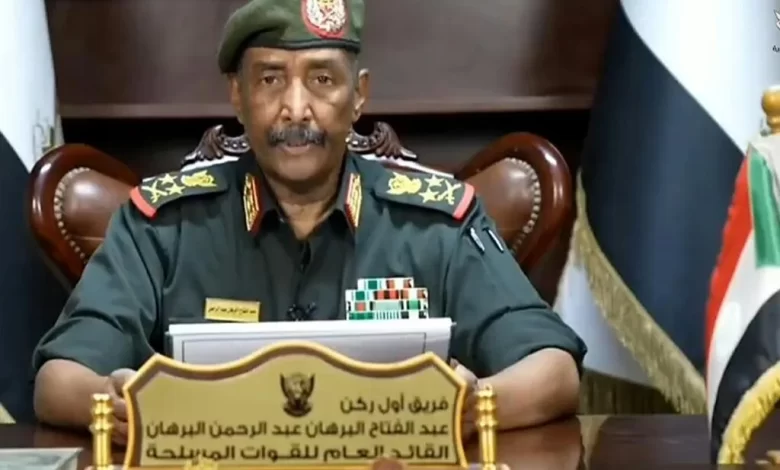
Most political forces that rallied around the Framework Agreement believe that Sudan’s crisis cannot be resolved without dismantling the army and security apparatuses and restructuring them in a way that guarantees compliance with their vision—not merely national directives. Dismantling the army is seen as a priority, as one of them stated: “If achieving this required an alliance with the devil, we would do it.”
This, however, does not mention the militias that had control over the economy, politics, and media at the time, corrupting Sudanese life. Perhaps statements like “alliance with the devil” and “servitude to embassies” were not mere slogans but reflected the reality of the Sudanese scene, which later witnessed an alliance between the Forces of Freedom and Change (FFC) and the Rapid Support Forces (RSF). The FFC continued to defend the militia even after renaming itself—justifying their actions, their entry into people’s homes, killings, massacres, and terrorizing of towns and villages, as well as organizing intensive media campaigns accusing the Chairman of the Sovereignty Council, Lieutenant General Abdel Fattah al-Burhan, of loyalty to what they called the “Kizan” (Islamist political currents) in the army and refusing to preserve Sudanese lives by signing the Quadripartite paper presented to him. They also opposed his insistence on excluding militias from any peace negotiations and his demand to keep the UAE out of mediation efforts regarding the ongoing war in Sudan.
So, is the attack on Burhan part of a plan to dismantle the army, or is it an attempt to draw him into negotiations and a truce that would reintegrate the militias into the scene—or both?
Professor Fadl Al-Mouli Al-Na’im, a political science expert, says: “Both.” He adds: “The purpose of the truce and negotiations is to draw the army into the dismantling framework under euphemistic terms, but the result is the same: dismantling it, removing its current leadership, and enforcing a settlement that excludes those who resist. This is dangerous if these forces control the military institution and turn it into a tool for their agenda. We have all witnessed how they used state instruments during their dominance.”
He continues: “At that time, the Committee for Removing Empowerment exercised what the RSF does today—entering people’s homes, controlling their accounts, threatening them, and firing them just because someone loyal to them desired a position or someone in the government did not want them around. They did not only punish people for political reasons but practiced persecution.”
He adds: “Have you seen their minister enter a hall and ask certain journalists to leave because they were Kizan and remnants, receiving applause from the audience? This is exactly what scares them now. Burhan’s firm rejection of their settlement plans has confused them. No matter how they mobilize local and international forces, Burhan’s strong reasoning prevents them from achieving their goals.”
He further explains: “They have no national limits. They even sent Paul [Boulos] a paper that Burhan described as the worst proposal, as it appointed the Quadripartite as guardians over the country. Now they are seeking Burhan’s submission and the army’s alignment with external interventions, considering it an achievement. They do not care if security apparatuses and the army are dismantled for foreign forces’ benefit or for the militias’ interest. Their goal is to appoint rulers—even over Sudanese bodies—and the evidence is before you: with Taha, Mirghani, Sandal, and others heading the Janjaweed government. Do you think it matters to them if the Quadripartite or a Quintipartite assumes power in Sudan or if the UAE embassy governs from Khartoum?”
Security expert Madani Al-Harith says these campaigns have no effect on the political or military scene because Burhan, who has not yielded to truce demands while the militias occupy Khartoum and Gezira and besiege him at the General Command, will not compromise today. He added: “The army is currently fighting and advancing in Kordofan and at Darfur’s outskirts. Burhan’s language and demands, which reflect Sudanese public opinion, are clear. I do not think the attack on him will change his stance or public support. Things are clear, and the countries providing logistical support now face serious tests, as the conflict is now overt. This has increased public support for the army and allied forces.”