Sudan Imposes New Rules: The Army Advances… The Government Raises Its Voice… and the Insurgency Retreats!?
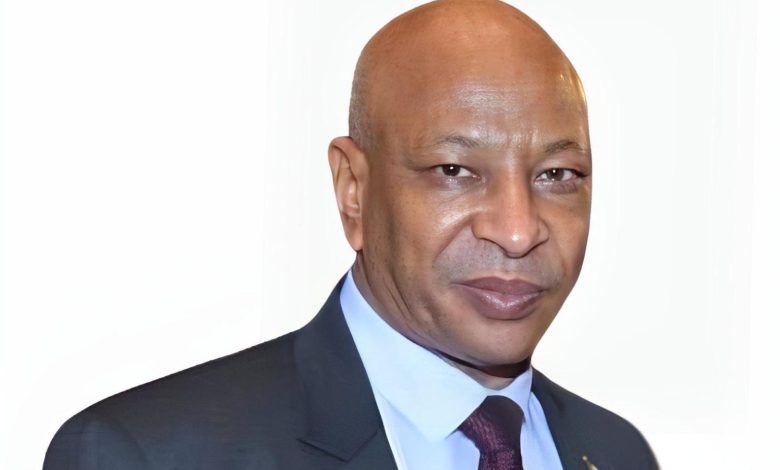
By Ambassador Dr. Muawiya Al-Tom
In less than 48 hours, events in Sudan have pushed the political and military landscape into a new phase:
On the evening of the day before yesterday, the Cabinet held an emergency meeting to reinforce the internal front and stabilize state institutions.
Yesterday morning, the Security and Defense Council convened to assess military operations and finalize strategic movements.
Meanwhile, the Minister of Foreign Affairs delivered firm messages during a press conference, stressing that Sudan will not accept foreign interference or any settlement that compromises its sovereignty.
This structured, synchronized mobilization of state institutions comes in parallel with sudden developments on the ground in Kordofan and Darfur: the unexpected withdrawal of Rapid Support Forces (RSF) units from Babnousa, Al-Nahud, and other key areas without fighting, contrasted with steady, organized advances by the Sudanese Armed Forces and allied units—effectively reopening the road toward Darfur for the first time in months.
The Emergency Cabinet Meeting: Clear and Firm Signals
The meeting’s outcomes left no room for ambiguity:
The government reaffirmed its commitment to protecting state institutions against any internal or external threats.
It emphasized ensuring the continuity of essential services while maintaining public security.
It pledged full support to the army in its current and future operations, maintaining general mobilization and warning that any attempt to revive militia structures would be met with uncompromising force.
Security and Defense Council: A Strategic Shift
The council’s message was unambiguous:
The army is transitioning from defensive operations to offensive action in Kordofan and Darfur.
Any attempt by the insurgency to regroup or regain control will be confronted with organized, decisive force.
The military aims to capitalize on the vacuum created by RSF withdrawals to reset the operational and political equation and reassert territorial control.
Foreign Minister’s Press Conference: A Stern Message to the World
The Foreign Minister emphasized three main points:
1. Rejection of any foreign intervention that undermines Sudan’s sovereignty or shields a militia responsible for widespread violations.
2. Full commitment to humanitarian operations, while ensuring controlled aid entry and safeguarding civilians without politicization or whitewashing.
3. Exposing the truth to the world: foreign support for the RSF prolongs the conflict—and Sudan will counter it diplomatically, in the media, and legally.
The message was clear: Sudan holds the initiative, and it will defend its borders and sovereignty regardless of external pressure.
On the Ground: Army Advances and RSF Collapse
Developments on the battlefield speak louder than any official statement:
The RSF withdrawal occurred without resistance, indicating a sharp decline in its combat capability, organization, and supply lines.
The army and supporting forces quickly filled the vacuum, repositioning themselves in strategic locations.
Reopening the route to Darfur marks a major turning point, placing the Armed Forces in a strong position and prepared for any tactical surprises.
Connecting Politics and the Battlefield: Strategic Resolution on the Horizon
The simultaneity of political meetings, diplomatic messaging, and military progress on the ground suggests that Sudan is now setting the rules of the game and shaping the national narrative:
Domestic message: The state remains cohesive, and the army holds the initiative on the ground.
International message: No settlement will be accepted at the expense of Sudan’s sovereignty, and no protection or impunity will be granted to the militia responsible for violations.
Military reality: The reopening of the route to Darfur shifts the balance of power and places the RSF in a defensive and increasingly isolated position.
Conclusion: Entering a Phase of Decisive Resolution
Sudan is no longer in a defensive posture; it has shifted into a strategic offensive phase—politically, diplomatically, and militarily.
The RSF’s sudden withdrawal, the army’s unhindered advance, and the government’s firm diplomatic tone all signal a forthcoming moment of decisive resolution in the conflict. The message to both domestic and foreign actors is unmistakable:
No concessions, no retreat, and state sovereignty remains non-negotiable.
Despite external noise—especially from the UAE and statements echoed from Abu Dhabi—the unified institutional alignment seen in Sudan today reflects growing stability and cohesion. The recent emergency Cabinet meeting, followed by the Security and Defense Council session, the Foreign Minister’s press conference, and the article by the Chairman of the Sovereignty Council, all reveal a firmer diplomatic stance toward foreign interference.
This concentrated institutional activity coincides with unprecedented field developments—chief among them the RSF’s sudden withdrawal from Babnousa, Al-Nahud, and key Kordofan fronts, alongside steady military advances toward Darfur.
The outcomes of both the Cabinet and Security Council meetings showed a consistent reading of the situation: Sudan is entering a new phase focused on strengthening the internal front, reinforcing the national narrative, and supporting military operations and nationwide mobilization in the Kordofan and Darfur arenas. This institutional movement sends a dual message: reassurance to Sudanese citizens, and a warning to external actors against attempts to influence the war’s trajectory or impose settlements that undermine state sovereignty.
These developments collectively point toward growing stability and confidence, offering the Sudanese people renewed assurance—despite the ongoing humanitarian challenges, displacement, and internal migration pressures.