Experts: Banning Banks from Financing Fuel Imports Could Drive Up Dollar Prices
Sudan Events – Rehab Abdullah
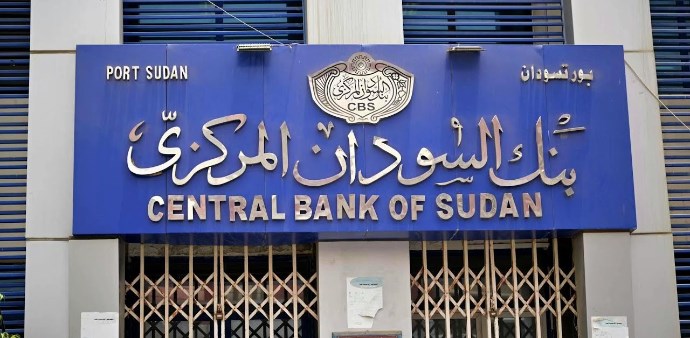
Reactions remain divided over the Central Bank of Sudan’s decision to prohibit banks from financing the import of petroleum derivatives. While many economic experts welcomed the move, others—particularly petroleum importers—criticized it.
Banking expert Ahmed Al-Sir described the decision as one that would “clean the market of brokers and intermediaries of all kinds.”
However, former Director of the Export Credit and Insurance Agency and former General Manager of the Animal Resources Bank, Ahmed Hamour, strongly criticized the decision, calling it “flawed and strange.” He argued that requiring importers to rely solely on their own resources would put pressure on the dollar.
“Importing requires foreign currency, which must either come from the central bank or be sourced from the black market,” he said. “In that case, the dollar price will rise significantly.”
Hamour added that the decision would essentially halt petroleum imports and create a black market, pointing out that allowing banks to finance fuel imports had previously ensured the availability of petroleum products at reasonable prices despite wartime hardships.
Al-Sir disagreed, arguing that fuel importers already hold outstanding debts with the Ministry of Finance, meaning they have no liquidity problems.
Speaking in the Sudan Economic Forum on WhatsApp, he described the decision as reform-oriented and said the central bank is now assuming its proper role.
Hamour, however, questioned the potential impact of the decision on local fuel prices and the exchange rate:
“What is the effect of this decision on local petroleum prices? And how will it impact the exchange rate?” he asked, noting that regulating exchange rates is one of the central bank’s core responsibilities.
Al-Sir responded that the decision would not affect prices unless it created a monopoly for a single supplier, which, he said, “has not happened.” He insisted the decision has no direct link to exchange rates since it affects the financing cycle, not the import cycle.
He added that fuel importers typically do not require bank financing because they receive shipments offshore and are paid in Sudanese pounds within about two weeks, reducing the need for credit.
Hamour countered by asking about the source of local currency under such conditions, noting that central bank policy has long prohibited financing the purchase of foreign currency.
Economist Ahmed Al-Sufi argued that foreign suppliers understand Sudan’s payment mechanisms and accept short-term deferred payments of about two weeks, with advance payments funded by the suppliers themselves.
While economist Haitham Fathi supported the ban—saying most fuel importers are brokers—others maintained that those who do not have sufficient funds to finance fuel imports should simply not import.