The Quraysh State… Who Are the New Settlers?
Report – Sudan Events
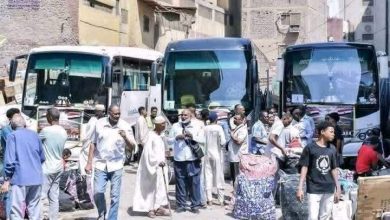
Reports have been circulating about trucks arriving in Darfur carrying groups widely believed to be the region’s “new settlers.” These individuals are said to come from Chad, Niger, and the Central African Republic, and are alleged to have moved into citizens’ homes in El Fasher—some even claim residents were forced to sell their houses to the new settlers or to militia fighters, as part of what appears to be a broader demographic engineering effort across Darfur.
This trend is already evident in El Geneina, which has undergone a dramatic transformation and is now controlled and inhabited almost entirely by Arab diaspora communities. The influx has extended to other towns such as Zalingei, Kutum, and surrounding areas, all of which have seen rising numbers of new arrivals from the Central African Republic, with El Geneina becoming a central hub for their reception.
Is this truly what is happening, or have the claims been exaggerated? Is there an actual plan to resettle Arab diaspora populations in Sudan, or is the idea far-fetched—perhaps even a baseless conspiracy? And if such a project exists, who is behind it, and to what end?
To understand the context behind these allegations, I spoke to African affairs researcher Mohamed Al-Nimo, who has long warned—since the outbreak of the war—about attempts to revive what he calls the “Quraysh State Project.” According to Al-Nimo, this is an old scheme premised on seizing a state and resettling Arab diaspora groups in it after displacing or eliminating large local populations.
He explains that earlier versions of the project involved attempts to take over Chad, which the group indeed attacked and penetrated deeply before being pushed back. Their weaponry, he notes, largely came from tribal sources and from support provided by Muammar Gaddafi, but it was insufficient to secure Chad. They then tried the same approach in the Central African Republic but were again defeated and dispersed—some later fleeing into Sudan.
A similar experiment was attempted in Niger, but faced numerous obstacles. Instead, the group invested funds to penetrate the executive branch, ultimately securing political power through elections, with strong financial backing in which Hemedti was one of the supporting arms. They made another attempt to dominate the Central African Republic, but it too failed.
Now, Al-Nimo argues, the so-called Arab Gathering is pursuing a different strategy—one aimed at carving out territory from Chad, the Central African Republic, and Sudan to establish a new state under what they have labeled “Quraysh Two.”
Following the fall of their main regional patron, Gaddafi, the group sought new alliances and opportunities. The political fragility in Sudan—and particularly Hemedti’s rise to the position of deputy chairman—presented an opening. Throughout Hemedti’s time in power, Al-Nimo claims, they recruited young men, granted them Sudanese nationalities and ID numbers, and integrated them into civil registries in preparation for taking control of the state.
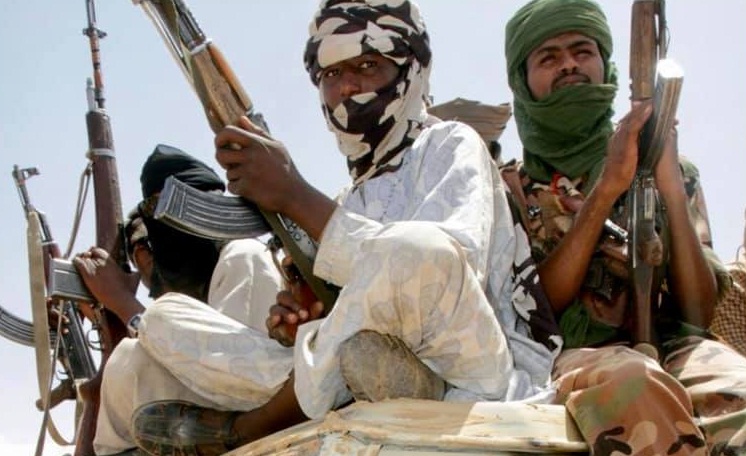
He continues: “This was not an abandonment of the Quraysh project, but a return to its earliest blueprint before shifting once again to the ‘Quraysh Two’ strategy—through which the Arab Gathering seeks to establish its own authority in Darfur and change the region’s demographics. To do that, they need a ceasefire to reorganize. I do not believe civilians from those countries would enter Darfur while it is engulfed in conflict. In my assessment, those arriving now are fighters, not civilian settlers.”
Sudanese academic Dr. Bakri Mohamed Al-Sir disagrees with Al-Nimo’s conclusion that civilians would not relocate into conflict zones. He argues: “They came to Khartoum during the war and were housed in citizens’ buildings and homes. Why wouldn’t they go to El Fasher now?”
He adds: “I find the reports about bringing in people from the Central African Republic, Chad, and Niger and settling them across Darfur entirely believable. Look at what happened in Khartoum: they burned property records, destroyed land registries and court archives. I am not revealing a secret when I say many homes today have no documentation because the systems were wiped out and the papers burned.”
He continues: “Why did they destroy the land and housing departments and steal property documents before burning the buildings? There was a complete plan to take over citizens’ homes after displacing or killing them. If you look at the original Quraysh project (‘Quraysh One’), it explicitly states the goal of seizing homes through displacement or elimination of the owners. Therefore, we must not underestimate these current reports about relocating foreign nationals into Darfur to change its demographic makeup.”