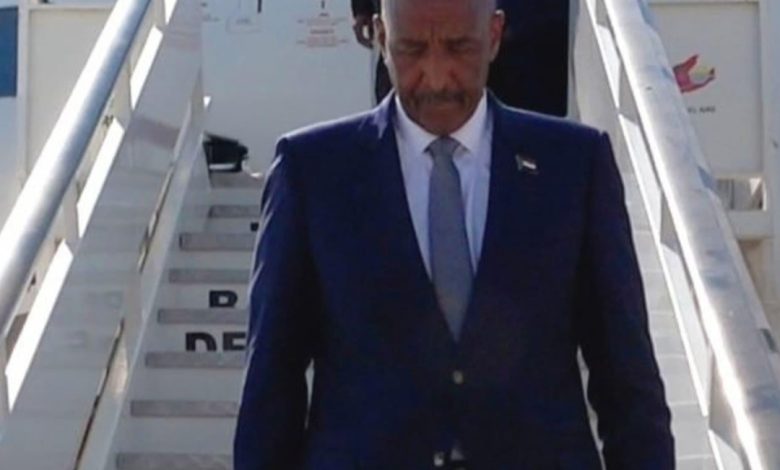
Chairman of Sudan’s Transitional Sovereign Council, General Abdel Fattah al-Burhan, continues his regional and international diplomatic efforts amid an extremely complex phase facing the country, as part of attempts to mobilize political and humanitarian support to reach a comprehensive settlement to Sudan’s crisis and restore stability.
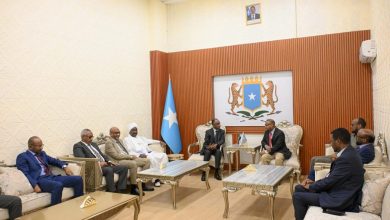
Al-Burhan’s recent tour included a visit to Saudi Arabia, where he met Crown Prince Mohammed bin Salman bin Abdulaziz, before traveling to Egypt, where he held talks with President Abdel Fattah el-Sisi. The discussions addressed political, security, and humanitarian developments in Sudan, as well as ways to support a political solution and prevent the country from sliding further into fragmentation.
Talks in Riyadh and Cairo focused on coordinating regional positions on the Sudanese crisis amid escalating security risks and expanding violations against civilians, particularly in Darfur. The meetings also addressed mechanisms to enhance humanitarian response and alleviate civilian suffering as the war, ignited by the RSF militia, continues.
These diplomatic moves come amid growing regional awareness of the dangers posed by the continuation of the conflict to neighboring countries’ national security and to Red Sea security, as well as the threat to Sudan’s unity and territorial integrity—explaining the increasing momentum behind regional initiatives aimed at ending the war and relaunching an inclusive political process.
In this context, an informed source said the chairman of the Sovereign Council is expected to visit Qatar in the coming days as part of the same diplomatic drive, with the aim of mobilizing Arab support and discussing Doha’s potential role in supporting Sudan’s unity and stability and strengthening regional mediation efforts in line with the aspirations of the Sudanese people for peace, security, and development.
This intensive external engagement reflects the Sudanese leadership’s efforts to broaden regional and international involvement in an attempt to break the political deadlock, create conditions for ending the war, and push toward a comprehensive solution that preserves state sovereignty and puts an end to civilian suffering.