What Happened in Heglig: A Clash of Wills Within the Militia
Report – Sudan Events
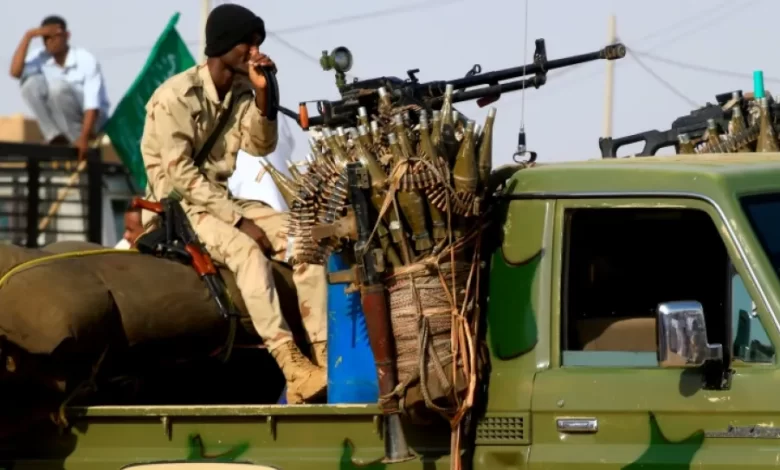
The Heglig area witnessed military clashes between the South Sudan People’s Defence Forces (SSPDF) and Sudan’s Rapid Support Forces (RSF), resulting in dozens of deaths and injuries on both sides. According to eyewitnesses, the fighting erupted after RSF units attempted to redeploy and assert control in the area, provoking confrontations with South Sudanese forces tasked with security.
Sources say the RSF is seeking to pressure the Government of South Sudan to secure a share of revenues from Sudanese and South Sudanese oil. Tensions remain high despite intermittent mediation efforts aimed at de-escalating the fighting and reaching an arrangement that would keep the militia away from oil facilities, in order to prevent further damage and avert a wider conflict that could devastate critical petroleum infrastructure.
Al-Ilmi Kanda, a Nuba Mountains activist, said the facility did in fact sustain damage after militia forces entered the site. He noted that parts of the installation were looted and vandalized, adding that some RSF members continue to enter surrounding areas and steal whatever they can carry. “Although they are formally members of the militia, many of them are little more than looters who have no concern for the safety or operation of oil facilities,” he said.
Kanda rejected claims that the incident stemmed from a strategic redeployment or an attempt to impose influence. “That is not accurate,” he said. “The incident involved militia soldiers who attempted to steal by dismantling equipment and taking vehicles belonging to the facility. South Sudanese forces responsible for protecting the site confronted them, which led to clashes causing casualties and injuries on both sides.”
He added that RSF fighters deal with South Sudanese forces in a condescending and arrogant manner, believing their role is merely to safeguard RSF looting. “Any attempt by South Sudanese forces to carry out their protective duties—especially when the perpetrators are militia members—is rejected. This dynamic fuels tension and makes reaching understandings extremely difficult, not only at the leadership level but on the ground,” Kanda said.
According to him, RSF fighters do not recognize the SSPDF as an equal force and believe it should be subordinate, receiving and executing RSF orders to ensure its own survival. He argued that the same attitude is applied to Abdelaziz al-Hilu’s forces, which RSF commanders reportedly treat not as equals but as auxiliaries—much as they do with South Sudanese mercenaries, whom the militia considers the least valuable among foreign fighters despite their large numbers.
Mohammed Satti, a petroleum engineer who previously worked in the area, confirmed that the facility suffered damage following the RSF’s entry, but stressed that it remains operational. “The damage to infrastructure does not prevent continued operation,” he said, noting that some destruction resulted from artillery shelling, while other damage was caused by looting and deliberate vandalism by militia soldiers. Vehicles present at the site at the time of the RSF’s entry were also stolen, both during the incursion and in the days preceding the deployment of South Sudanese army units.
Satti warned that further friction and skirmishes are likely, as militia forces view the facility as a source of spoils. “Their goal—both soldiers and field commanders—is to seize whatever they can. There is no effective control over them, and their leadership is unable to rein in their behavior. Each group races to reach the site first, solely to secure loot. That is all that occupies their minds,” he said.
While militia leaders may understand the strategic danger of destroying the facility, Satti emphasized that this concern does not extend to rank-and-file fighters. “They do not care whether the facility is destroyed or rendered inoperable. What matters to them is securing personal gains,” he said.
He added that RSF leadership is likely to intensify pressure—not to extract transit fees from South Sudanese oil, as some reports suggest, but to obtain refined petroleum products from South Sudan itself. The militia, he explained, is facing severe fuel shortages due to disrupted and overstretched supply lines, hampering its combat operations. “They will therefore seek access to South Sudanese oil both to sustain their military campaign and to generate cash by selling petroleum products on the market,” Satti said.
He concluded that the events in Heglig are more closely linked to actions by fighters on the ground than to decisions by senior leadership. “For the leadership, continued oil production is in their interest—it is a strategic asset for them and for the states that support them. On the other hand, what we are seeing is a conflict between the immediate spoils sought by fighters in the field and the longer-term calculations of their commanders.”