Under the Pressure of Combat Operations… The Militia Turns on Its Own
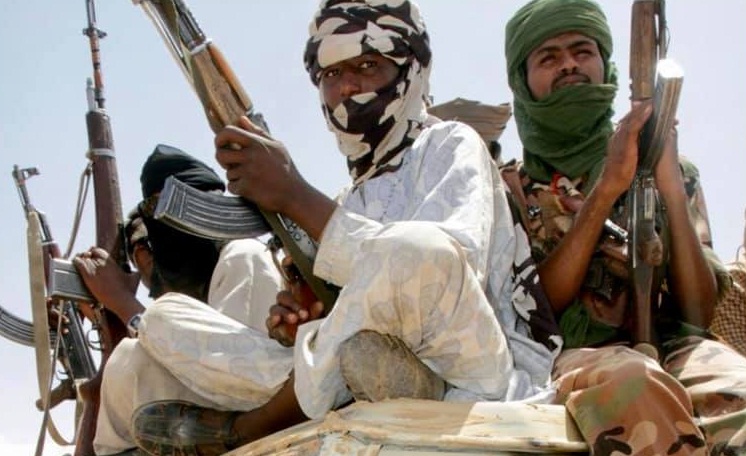
As time passes and military pressure intensifies in Kordofan, internal tribal infighting within the militia has begun to surface. Ethnic, tribal, and regional divisions have become increasingly visible, with voices emerging here and there protesting the dominance of specific individuals representing certain tribes—particularly in decisions related to the distribution of logistical support and weaponry. Some combat units are reportedly being sacrificed and pushed to the frontlines, while forces from favored tribes are kept in the rear despite receiving continuous funding, advanced training, and superior military equipment.
More recently, a wave of assassinations has come to light, beginning with the killing of “Jalha,” followed by Hamed Ali and others. These incidents have created fertile ground for escalating disputes within the militia. Such conflicts are not new; in every area seized by the militia, clashes have erupted between its constituent groups, often over looted property or grievances stemming from tribal and regional discrimination. These developments are hardly surprising, given that the militia’s structure is fundamentally tribal: units are organized along tribal lines, commanders typically belong to a specific tribe, and most—if not all—fighters under their command come from the same tribe.
From the outset, this structure fostered competition among tribal groups over spoils and loot. It became evident that these groups recognized one another primarily by tribal identity—one unit identified as Rizeigat, another as Habbaniya, Salamat, Turgum, or even by nationality, including South Sudanese, Libyan, Chadian, Central African, Colombian, and other foreign groups. Over time, and as opportunities for looting diminished after much of the country had already been plundered, these groups began clashing over spheres of influence, supply routes, and access to resources. The disputes escalated to the point where hostilities became overt, with each group lying in wait for the other.
This situation prompted media activists from tribes other than the Mahariya—despite being known for their affiliation with the militia—to speak out publicly about tribal-based mistreatment and the arrogance exercised by certain factions. On the other side, voices emerged warning that the current tensions could lead to a war among the militia’s own components—a tribal war from which no one would emerge unscathed. As usual, many of those issuing warnings directed accusations toward the Islamic Movement and the so-called “Keizan,” alleging that they were fomenting tribal discord within Darfur communities to ignite division and distrust. Militia adviser Al-Basha Tabiq echoed this narrative, stating that “advocates of narrow tribalism are working to implement the agenda of the Islamic Movement.”
The assassination of commander Hamed Ali, a member of the Mahamid tribe, stirred widespread controversy regarding the targeting of leaders from the Misseriya, Falata, Mahamid, and other tribes. The killing of Hamed Ali—who was close to militia leaders Mohamed Hamdan Dagalo (Hemeti) and Abdelrahim Dagalo—raised serious questions about the relationship between these tribes and the militia. The area of Al-Firdous, where the assassination occurred, witnessed sharp polarization among local communities. A committee was formed to investigate the incident amid conflicting accounts: some claimed the drone that killed Hamed Ali belonged to the army; others accused Sheikh Musa Hilal; while another narrative asserted that Abdelrahim Dagalo himself was behind the assassination.
A committee formed more recently ultimately accused Fathi Musa Hilal, the son of Sheikh Musa Hilal, and demanded his handover to the Mahariya tribe, which controls the area. Subsequently, Mahariya forces issued an ultimatum to the Mahamid tribe: surrender Fathi Musa Hilal or face an assault on the town of Misteriha. This marked the first dispute to escalate directly into armed conflict between tribes that had jointly participated in the militia’s campaign against the Sudanese people.
Mohamed Al-Aqid, an analyst ethnically affiliated with the region, said that tensions around areas such as Saraf Omra and Mellit are extremely high, warning that any attempt to enter Mahamid-controlled territories could spark a war—not only in Misteriha, but across all areas inhabited by Arab tribes. Such a conflict, he said, would severely fracture their cohesion and place the militia before an entirely new reality.
He added: “What is happening now is the result of long-standing resentment within the militia. For a time, racist rhetoric targeting certain ethnicities and regions in Sudan helped conceal these grievances, and the spoils of war masked them as well. But as the conflict dragged on, these divisions surfaced. Tribes are now counting their losses: thousands of young men have left and never returned—killed or captured; thousands more have lost limbs; and thousands are wounded, with their families bearing the burden of treatment and struggling to meet their needs. These realities are now in full public view.”
He continued: “Some tribes see their wounded transferred to the UAE, Kenya, and elsewhere for treatment, while others watch their injured die for lack of medical care. Militia leaders have publicly disavowed responsibility for them during open meetings with tribal leaders. In one such meeting, the militia’s second-in-command, Abdelrahim Dagalo, referred to them as ‘looters,’ stating that the militia owed them nothing, that they fought for spoils, and that they had already taken their share.”