After the Islamists: Dagalo and His Allies — The Real Threat to Sudan’s Future
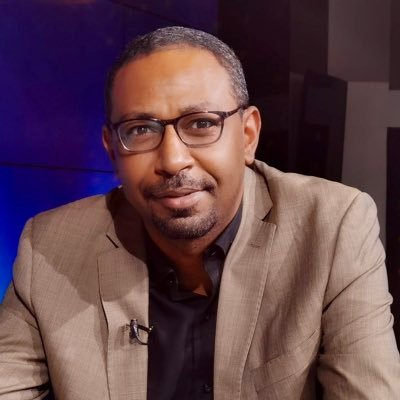
Amjad Farid Al-Tayeb
The media disinformation campaign promoted by certain Sudanese political forces and elites aligned with the Emirati-backed agenda—seeking to portray the war in Sudan as a fight against Islamists—amounts to nothing more than a desperate attempt to justify their complicity in the unprecedented crimes and atrocities committed by the Rapid Support Forces (RSF) militia. Sudanese people rose up against Islamist rule (the Kizan) and overthrew it because of the grave crimes and abuses it inflicted on the population. Today, however, the RSF continues to perpetrate even wider and more horrific crimes, while these same elites attempt to distract public attention in order to use the militia’s “technical vehicles” as a ladder to power.
Sudanese do not need to be Islamists—or adherents of any ideology whatsoever—to stand against those who have committed genocide, killed civilians, forcibly displaced communities, raped thousands of women, looted and occupied homes, and systematically destroyed infrastructure with the openly declared aim of dismantling the state itself and pursuing a blatant agenda of occupation decades after independence.
What these Abu Dhabi-aligned forces seek is the establishment of a fully fledged external proxy. Like a bankrupt merchant, they are trying to reinvest in old ledgers, exploiting the momentum of the Sudanese popular movement against the former regime that was toppled by the December Revolution in April 2019. Those same elites then returned, in partnership with military actors, attempting to construct a new authoritarian order—civilian/military in form—by manipulating the conditions of democratic transition and competing over seats of power they mistakenly believed would be permanent, instead of completing the genuine tasks of transformation.
This behavior produced the sharp polarization that first led to the October 2021 coup. Subsequently, these actors divided alliances and mobilized militarily among armed factions, deepening polarization and directly paving the way for the outbreak of war. After the war began, elites subservient to Abu Dhabi chose political alignment with the RSF, echoing and promoting its narrative—thereby becoming full partners in every drop of blood spilled by the militia.
Islamists (Kizan) bear full responsibility for their actions and crimes over thirty years of rule, foremost among them the creation of the RSF militia itself—established, as its founding law stated, “to raise the word of God.” At the same time, political elites aligned with the UAE bear responsibility for fueling the militia’s expansionist ambitions and pushing it toward an attempt to devour the state. Since the outbreak of the war, they also bear responsibility for efforts to whitewash the bloodshed, downplay the militia’s crimes and violations, and market it to the international community as a legitimate political actor—actions that have directly prolonged the war and deepened the suffering of the Sudanese people.
The Kizan are nothing but slag and ashes in Sudan’s history. But the pressing question today is: What about Dagalo—and his companions, and those who paved the way for him and supported him? They represent the most immediate challenge and the gravest threat to Sudan’s present and future.



