Militia Violations… Is It Time for Accountability?
Sudan Events – Agencies
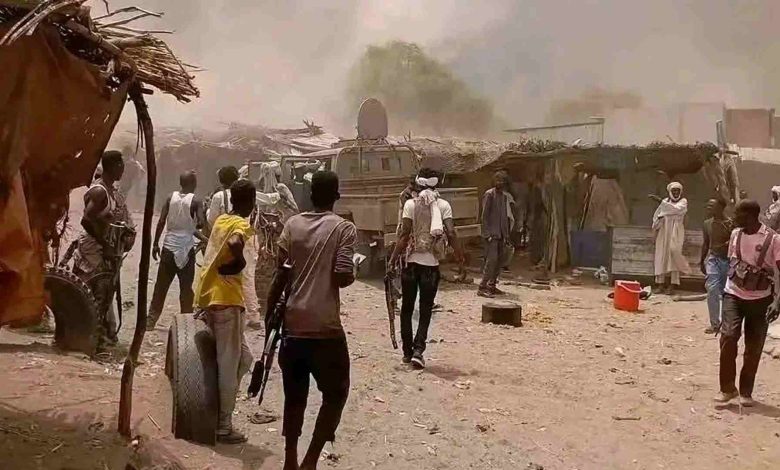
A U.S. report has generated wide reverberations within the corridors of the UN Security Council after the United States representative revealed what he described as “widespread” violations committed by the Rapid Support Forces (RSF) militia and allied groups in various parts of Sudan. The violations reportedly included ethnically motivated killings and the direct targeting of civilians, among them infants and women.
In developments described as among the most serious recently presented to the Security Council, the U.S. envoy stated that information available to Washington indicates that attacks against civilians occurred while they were attempting to flee combat zones, resulting in casualties among the most vulnerable groups. He added that these abuses constitute a flagrant violation of international humanitarian law and require urgent international action to ensure civilian protection and hold those responsible to account.
In a related context, the U.S. official noted that the use of sexual violence in the conflict has become a growing source of concern within the international community due to its long-term social and psychological impacts. He stressed the importance of strengthening monitoring mechanisms and humanitarian support for victims at the political level. The U.S. envoy further disclosed that his country is closely monitoring developments in the Sudan file amid diplomatic efforts aimed at halting the flow of weapons from abroad and cutting off military funding sources that contribute to prolonging the war.
Observers believe that presenting the report to members of the Security Council could help advance solutions to the Sudanese crisis and pave the way for tougher international measures, amid fears of an expanding cycle of violence and abuses—necessitating a political settlement that ends the fighting and rebuilds the Sudanese state.
Meanwhile, Dar Hamar Emergency Rooms confirmed that the militia committed what they described as a “heinous crime” against civilians who were returning from the market to the Al-Ruwaina area in the eastern countryside of Al-Nuhud locality, West Kordofan State. In a statement, the group said militia elements riding motorcycles opened fire on civilians, killing citizen Al-Sadiq Mousa Hamed and wounding others. The incident, according to the statement, comes as part of a series of repeated attacks along the road linking the market to surrounding villages.
Local sources from the city of El Fasher reported that the militia transferred some detainees to unknown locations, including military personnel and doctors, and carried out executions of traders after demanding ransoms from their families. Relatives of some of the victims said their sons were killed after ransoms failed to reach the captors. Families were reportedly informed via phone calls that groups of hostages had been executed, without names being disclosed. The militia is said to be holding hundreds of hostages in its detention facilities, demanding financial ransoms for their release and, at times, payment merely to allow families to speak with detainees.
Dr. Bakri Mohamed Al-Sir, a Sudanese university lecturer and political affairs analyst, said the militia’s actions in its war against the Sudanese people place it “at the forefront of killers and perpetrators of crimes against humanity.” He added that the international community took too long to acknowledge that the militia’s actions are inhumane and warrant punishment, arguing that this delay encouraged further massacres and violations. He noted that Sudanese confidence in international institutions remains low, as these bodies often issue condemnations without changing realities on the ground or improving living conditions. “The U.S. statement is direct and explicit this time,” he said, adding that Washington’s engagement in seeking a solution should at least shield it from what he described as the militia’s and the UAE’s “misleading narratives.” “The picture is clear,” he concluded, “except to those who choose denial and delay.”
Political researcher and professor of international relations Mohamed Yaqeen emphasized the importance of such statements, saying they reinforce the Sudanese government’s narrative of the war and confirm that the militia is carrying out systematic killings, abuses, and rapes against specific ethnic groups. “This is institutional behavior, not individual misconduct as they claim,” he said. He pointed to incidents in which militia fighters reportedly entered Chad and killed members of the Chadian army, questioning who was held accountable and who issued apologies. “International recognition that the militia is criminal and abusive is positive,” he added, “but this recognition must be translated into actions that tangibly improve the lives of victims.”