In the doctrine of “chewing,” patience with democracy
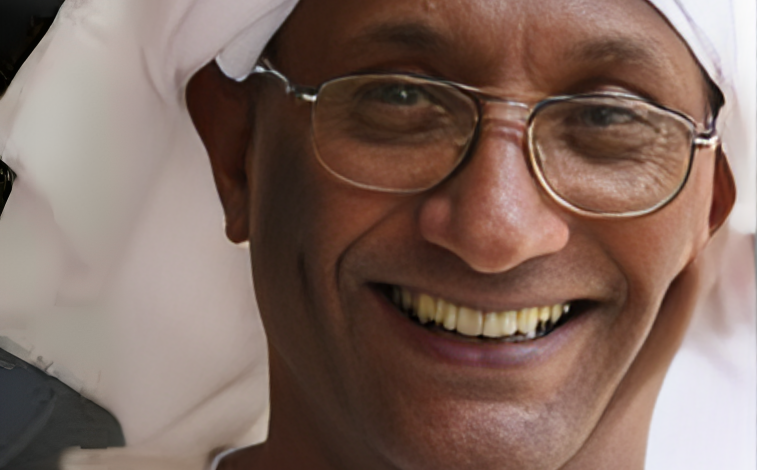
Abdallah Ali Ibrahim
In the wake of my reading of a recent article by Dr. Al-Wathiq Kameir on pathways of foundation-building toward reaching an inclusive, plural nation, I came across this obituary of George Hardy (The Washington Post, September 29, 2025). Hardy was a U.S. Air Force combat pilot who served in World War II, and later in Korea and Vietnam. Reflecting on racial discrimination among fellow servicemen during wartime, he stated that he had come to believe the army’s primary mission was to combat racism, with the foreign enemy relegated to second place.
In the American case, civil rights for Black citizens were achieved through democracy and legislation. In our case, by contrast, democracy was cast to the stray dogs at the outset, and the jungle or the mountains were ascended—Guevarist-style—arms in hand.
George Hardy, a retired Air Force lieutenant colonel who was one of the last surviving combat veterans of the Tuskegee Airmen, the all-Black squadron in the segregated U.S. military during World War II, and who subsequently flew 45 missions in the Korean War and 70 in the Vietnam War, died on Sep. 28, 2025, in Sarasota, Fla. He was 100.
“When we got back to the base, we would get together and drink,” he told The Tampa Tribune in 2012. “They really appreciated us. But once we got back to the States, we were reminded that things hadn’t changed. When we walked down the gangway of the boat as it docked, there was a sign: Whites to the right, coloreds to the left. After all we had been through, it really didn’t feel too good.”
“I used to say the Army’s No. 1 job was segregation,” he added. “Winning the war was No. 2.”



