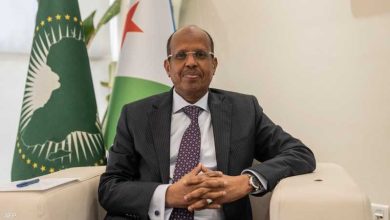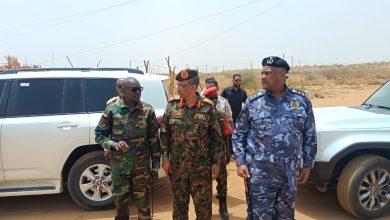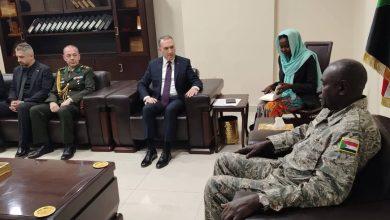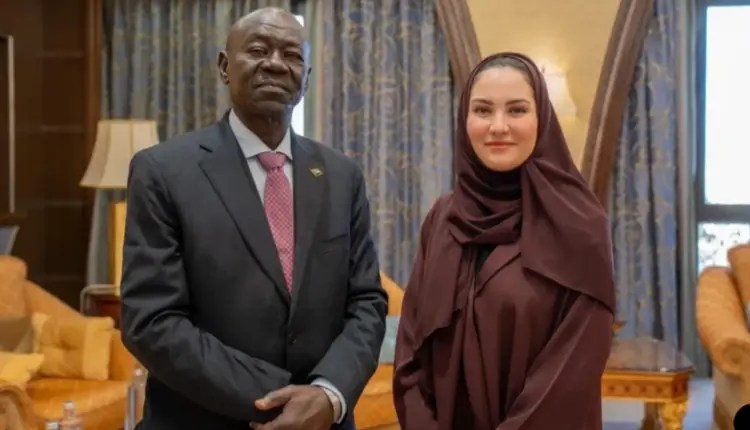
Sudanese Defense Minister Hassan Kabrone said the Sudanese army has regained the initiative against rebels who are now on the brink of defeat.
In an interview with Arab News in Riyadh, Kabrone said the Sudanese Armed Forces had “moved onto the offensive,” adding: “I am pleased, and fully confident, to deliver good news to the entire world.”
He said the army, backed by friendly nations, is advancing rapidly to eliminate the rebellion, which he said is now faltering and confined to a limited number of remaining strongholds.
Kabrone said the imminent defeat of the RSF would open the door to a political transition, allowing Sudan’s leadership to begin a peaceful democratic transition under a civilian government protected by the armed forces, culminating in “free, fair, and transparent general elections accepted by the Sudanese people.”
Rejecting descriptions of the conflict as a power struggle between rival generals, Kabrone said it was a rebellion against the Sudanese state and its armed forces by a faction that was once part of them.
“There is no basis whatsoever for describing this as a war between generals,” he said. “The Sudanese Armed Forces have one commander, and anyone who rebels against him is, by definition, a rebel.”
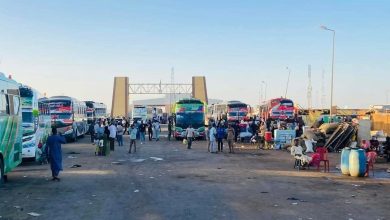
He said recent months have seen military gains in several strategic areas, including lifting the RSF siege on major cities such as Kadugli in South Kordofan, reopening supply routes, and allowing some displaced people to return.
Kabrone contrasted these gains with what he described as systematic crimes committed by the RSF, particularly in Darfur, where international organizations have documented mass killings, sexual violence, and forced displacement.
“What happened in El Fasher constitutes a grave and explicit violation of international law,” he said, adding that the abuses targeted civilians, including the elderly, women, and children, some of whom were reportedly buried alive, as documented in Geneina and El Fasher since the war began.
He described the events as “systematic and deliberate genocide” against the people of Darfur and alleged that foreign individuals were now being settled in place of displaced citizens to seize land and property.
Kabrone accused unnamed regional actors of supporting the RSF with weapons, logistics, and fighters, saying the war involves regional and international parties providing logistical, military, and intelligence support.
“Ending the war in Sudan begins with stopping this support from the state of evil,” he said. “When that support stops, the war will end.”
He said shifting battlefield dynamics reflect a deeper collapse within the RSF, which he said now relies increasingly on foreign mercenaries from West Africa, Colombia, Ethiopia, and South Sudan.