Bank of Khartoum Launches “Smart Financing” Program to Support Home Reconstruction
Khartoum – Intisar Fadlallah
At a pivotal moment in Sudan’s history—where the effects of war intersect with economic pressures and daily living challenges—a pressing question emerges: how can families restore stability and rebuild their lives with minimal losses?
Within this context, financing initiatives are emerging as key tools for recovery—not merely as financial solutions, but as mechanisms for reshaping life from within the home. The “Smart Financing” program stands out as a practical attempt to bridge a widening gap between need and capacity.
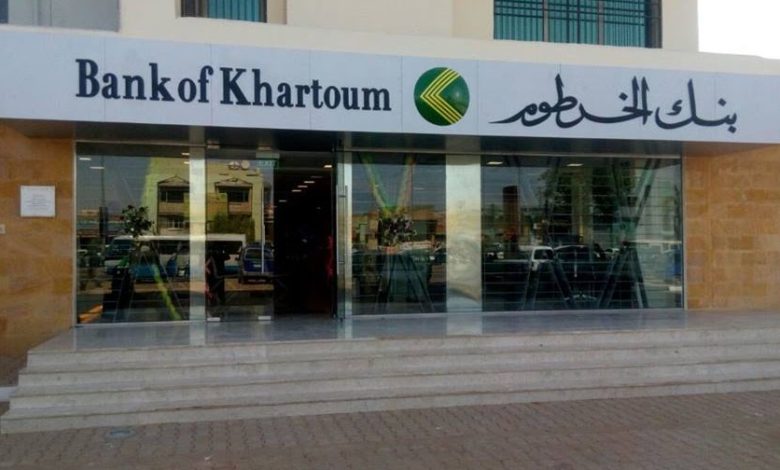
Bank of Khartoum, through its microfinance arm “Irada,” has announced the launch of a specialized program under the name “Smart Financing.”
According to follow-ups by Elaph, the program aims to support partially affected Sudanese families, enabling them to rebuild their homes and restore basic living conditions as quickly as possible.
The initiative represents an integrated model of social financing. It is not limited to a specific group but extends to individuals as well as employees of public and private institutions, with a clear focus on restoring stability within households as the starting point for broader economic and social recovery.
Under Central Bank Oversight: Microfinance at the Heart of Recovery Policies
This initiative aligns with broader monetary policies and is consistent with directives from the Central Bank of Sudan, which has recently emphasized the importance of directing financing toward productive sectors and reconstruction projects as a pathway to economic stability and inflation control.
The central bank has also permitted financing for reconstruction, maintenance, and real estate development projects under specific regulations—an acknowledgment of the extensive damage to residential and service infrastructure and the country’s need for flexible and responsive financing tools.
Diverse Financing Paths: From Furniture to Solar Energy
Information from the bank indicates that the “Smart Financing” program relies on a diverse package of funding tracks tailored to the actual needs of families. These include household furniture, electronic appliances, building materials, and solar energy solutions—reflecting awareness of service challenges, particularly the electricity crisis.
The goal goes beyond providing basic necessities, aiming instead to enable families to fully restore their homes and reduce reliance on partial solutions that may delay stability. The inclusion of solar energy as a financing option signals a shift toward sustainable solutions that ease pressure on traditional infrastructure and open new avenues for self-reliance.
Simplified Procedures and Flexible Repayment in a Pressured Environment
The program’s key features include simplified procedures and expedited approvals—critical factors under conditions requiring immediate response. It also offers a flexible repayment period of up to 36 months, allowing beneficiaries to gradually reorganize their financial situations.
Financing is implemented through a network of approved suppliers, ensuring the quality of products and services while reducing risks associated with unregulated markets—thereby enhancing beneficiaries’ confidence in the program.
Financing Mechanisms: Balancing Flexibility and Discipline
According to a knowledgeable source at Bank of Khartoum, who requested anonymity, “Irada” operates under an approved microfinance framework, with financing ceilings varying by sector and determined by the central bank.
The implementation follows a “purchase order” model, whereby the company acquires the asset and then sells it to the beneficiary through various financing structures—most notably Murabaha, contracting, and partnership arrangements, with Murabaha being the most widely used.
Repayment rates range between 25% and 36%, while guarantees remain an essential requirement. These include personal guarantors, collateral, and enhanced guarantees such as insurance policies, reflecting the institution’s effort to balance expanded financing with risk mitigation.
Target Groups: Empowering the Economic Base
The program targets the “economically active poor,” a segment that forms the backbone of the informal economy. This includes individuals, bilateral partnerships, solidarity groups of up to ten members, as well as cooperatives and agricultural and livestock production groups.
This approach reflects a growing recognition that genuine recovery begins at the grassroots level—by empowering individuals to improve their living conditions and enhance their productive capacity, not merely their consumption.
Between Ambition and Reality: A True Test for the Initiative
Despite its promise, banking sector experts note that the program’s success will depend on several factors, foremost among them economic stability, beneficiaries’ ability to meet repayment obligations, and the efficiency of implementation and service quality monitoring.
Nevertheless, “Smart Financing” represents a notable shift in the role of Sudan’s banking sector—from a traditional financing entity to an active partner in reconstruction and community recovery.
Ultimately, this initiative is not merely a new banking product, but an attempt to redefine the relationship between banks and society in times of crisis—either becoming a genuine turning point in the lives of Sudanese families or remaining an important step along a long road to recovery.