The Shame of Border Crossings
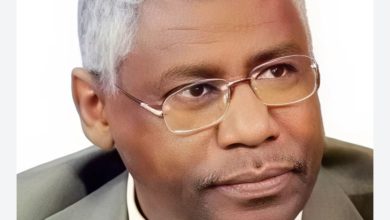
Al-Tahir Sati
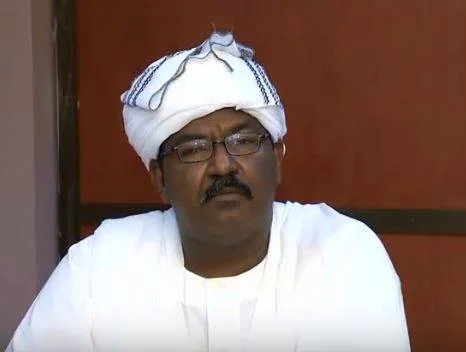
In January 2025, Lieutenant General Yasser Mohammed Osman was appointed Director of the General Administration of Crossings and Border Ports—just over a year and three months ago. The question remains: what has he added to the country’s crossings and border points that could be considered an achievement worthy of his salary and benefits, and that justifies his continued tenure in this position?
The congestion of citizens returning home through the Argeen crossing, following a strike by transport operators protesting increased taxes, exposed to public opinion the dire condition of this crossing. This situation has long been known to both the government and General Yasser. It stands as a mark of shame on the face of the country and its government.
When I wrote in last Friday’s column that anyone returning home through border crossings passes through three main stages—arduous travel, a bleak and depressing scene, and a miserable outcome—I was referring to the actual conditions people endure when entering and exiting through this crossing.
The crossings administration is rarely heard from except in times of crisis—offering justifications rather than solutions. As you may recall, months ago, when a fire broke out in the passenger terminal at the Ishkeit crossing and disrupted travel, authorities had to call in fire engines from neighboring crossings. The vehicles arrived, extinguished the fire, and then left.
Can a general who is unable even to put out fires at his own crossings—relying instead on others’ fire engines—be expected to develop these facilities? This is despite the fact that the crossings administration and the Civil Defense Police receive a share of the fees and levies paid by citizens under compulsion.
The general has denied any connection to the tax increases that triggered the transport strike and caused the congestion of returnees. However, he has overlooked the fees imposed at these crossings—fees collected without any services. Travelers under his administration relieve themselves in the open, sleep on bare ground under the sky, and still are required to pay these charges.
Incidentally, in October 2023—nearly three years ago—the Chairman of the Sovereign Council, Abdel Fattah al-Burhan, visited the Argeen crossing and pledged to improve its conditions. Today, the situation remains dismal. No positive change has occurred; in fact, conditions have worsened, to the point where people are forced to urinate in the open and wait for transportation under the scorching sun.
The government has failed to fulfill its promise of reform because it entrusted the responsibility to those unfit for the task. Border administrations should not be turned into welfare schemes for retired personnel. For these crossings to reflect the dignity of Sudan and its people, they must be professionally managed, with the private sector involved in their development.
A year ago, the average daily revenue of these crossings was no less than 750 billion pounds. Yet they still lack fire engines, basic services, and the capacity to accommodate even hundreds of returnees. Meanwhile, Egyptian crossings have received hundreds of thousands of refugees in a single wave without congestion or chaos.
There is no justification for Lieutenant General Yasser Mohammed Osman’s failure to develop these crossings into facilities that uphold human dignity. Nor is there any excuse for maintaining them in a condition resembling livestock quarantine stations prior to export—except incompetence, failure, limited vision, or a lack of will to improve the situation.
If the revenues of these crossings are used solely to sustain their administration, there are alternative models for development. One such model is to offer these crossings for investment under a Build-Operate-Transfer (BOT) system—a proven and attractive mechanism that benefits both investors and the public. What, then, prevents its adoption? Nothing but failure and corruption.