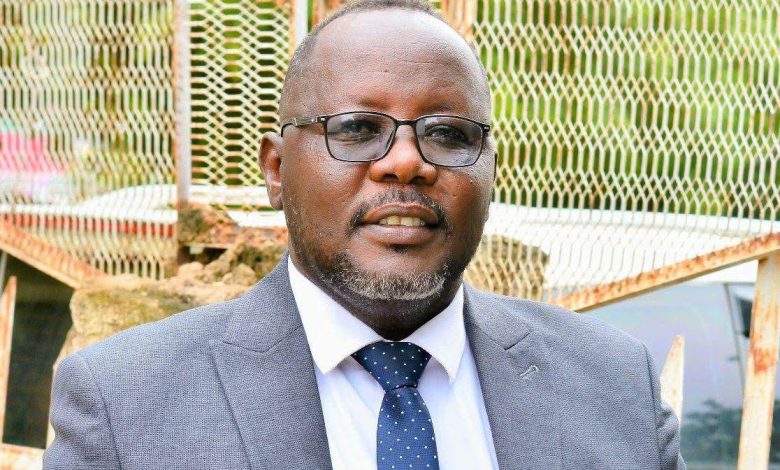
The official spokesperson for the Blue Nile Regional Government, Saif Al-Nasr Min Allah Mahmoud, stated that the humanitarian situation in the region is deteriorating significantly amid escalating military confrontations between the Janjaweed militias, the SPLM-North (al-Hilu faction), the Sudanese Armed Forces, and mobilized fighters. He warned that the crisis will worsen further without urgent intervention.
In a statement to the news website “Al-Muhaqqiq,” Mahmoud explained that since the beginning of the clashes during the month of Ramadan and the launch of military operations in Blue Nile, the number of displaced people has reached approximately 73,000. Most of them are children, the elderly, pregnant women, and newborns. He noted that these groups are in urgent need of food, clothing, and medical care.
He added that the health situation is severely strained, particularly due to the influx of returnees to the region since the beginning of last year, with numbers exceeding the region’s capacity. He pointed out that despite the importance of the Federal Humanitarian Aid Commission’s intervention, it is no longer sufficient given the current scale, which has led to increased demand for basic services.
Mahmoud indicated that a coordination mechanism has been established between provincial governors and the Humanitarian Aid Commission to address the worsening humanitarian situation, particularly in Al-Kurmuk locality, as well as in Bao, which has witnessed displacement in recent months following militia attempts to advance into the western area. He stressed that the situation requires urgent intervention from international organizations and the United Nations.
He also noted that the Commission is working to coordinate efforts with its humanitarian partners to provide necessary assistance, while local community initiatives, activists, and emergency response groups are also contributing to supporting displaced persons, especially those arriving from Al-Kurmuk.
Mahmoud highlighted that challenges are increasing with the onset of summer and rising temperatures, exposing displaced populations to the risks of heatstroke and disease. He emphasized that shelter and access to safe drinking water are top priorities, adding that the regional government faces significant difficulties in addressing these challenges alone, necessitating stronger coordination with the Commission, civil society, and traditional administrations. He called on the international community to provide the necessary support.
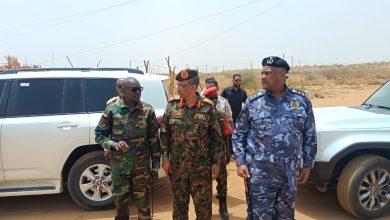
On the ground, Mahmoud confirmed that the Fourth Infantry Division forces managed to repel the Rapid Support Forces militia along the Sali axis, inflicting heavy losses in personnel and equipment. He noted that Sali has been a military zone and devoid of civilians since 2011.