The Shadows of Abdel Rahim Dagalo… Killers in the Slaughterhouse of Sin
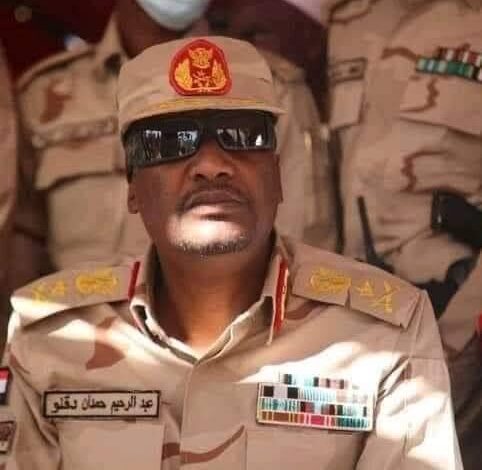
Report – Sudan Events
The image of killings within the Rapid Support Forces militia—targeting leaders, officers, and soldiers—often appears like shadows moving silently from place to place, seizing one person after another without anyone speaking. No witnesses, no rights. Mere suspicion means death, and a simple accusation reaching the man behind these shadows can place you among the dead—unless something extraordinary happens to delay or cancel your fate.
I have listened to many accounts of individuals who chose betrayal and joined the militia on its path of destruction, killing, and dragging Sudanese civilians through the streets. They claim to be spreading democracy, yet they spread death. They loot and steal under the banners of fighting remnants of the old regime and Islamists. They commit acts of sexual violence under the slogans of ending the post-independence state and dismantling the dominance of traditional elites.
For a long time, I heard stories about these “shadow killings” of militia leaders and dismissed them as exaggerations or fiction. But one particular story forced me to stop—perhaps because I knew some of the people involved, including the central figure. He was someone I had long believed made a grave mistake by aligning himself with the militia out of tribal loyalty, a decision he found difficult to reverse. He had told relatives that he was receiving threats from various directions and that leaving the militia at that time would mean certain death—they would never let him go.
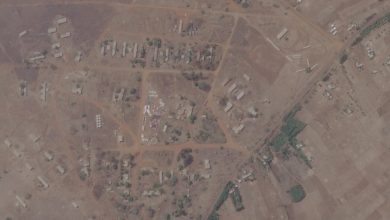
Under pressure from his family, his fabrications grew—until news emerged that he had perished alongside others in the recent Nyala strike that reportedly killed several military leaders gathered there. Or so many believed, and so the news was circulated.
“Ibrahim”—not his real name, which I have withheld because some of his family remain in areas controlled by the militia—was said to have been killed in a drone strike by the army. But before long, the family received a call from a well-known militia officer who told them the truth: Ibrahim had been executed on the orders of Abdel Rahim Dagalo. He was killed in front of him, and his body was later moved to an area targeted by drones to fabricate the narrative.
The officer revealed that Ibrahim had been responsible for Abdel Rahim Dagalo’s office and had been a close associate for years, managing a highly sensitive portfolio involving finances, communications, and agreements—among them gold trafficking operations. He was also reportedly responsible for many extortion schemes targeting businessmen and officials. For years, he had overseen Dagalo’s personal security and served as his “black box” before being sidelined after the outbreak of war.
At that point, Dagalo had moved from the capital to Darfur, and Ibrahim continued accompanying him until internal reshuffles reassigned him abroad—first to Uganda, then to Kenya—where he managed the militia’s economic activities through various fronts. Skilled in deception, he presented himself at times as a trader, at others as a refugee, and sometimes as an opponent of the Sudanese government. He excelled at fabricating narratives, concealing information, and drafting financial and commercial statements, aided by his educational background.
He remained abroad until he was suddenly summoned last week and urgently transferred to Dagalo’s residence. Dagalo had personally called him back, asking him to return to help organize financial flows and arrangements related to what was described as a “founding government”—matters Ibrahim had been excluded from since his removal from Sudan.
According to the source who spoke to the family, Ibrahim was attacked for over an hour immediately upon arrival, even before Dagalo entered. When Dagalo finally appeared, he placed his foot on Ibrahim’s head as he lay on the ground, shouting and demanding to know what he had done. Enraged, Dagalo accused him of transferring militia funds two years earlier into one of his personal accounts in Uganda, hurling insults and threats.
“I will flay your skin,” he reportedly shouted—and carried out the threat.
They lifted Ibrahim, tied him to a post, and literally flayed his skin while he was still alive, in front of Dagalo. He screamed, while Dagalo shouted that this was the fate of anyone who betrayed him. Three soldiers carried out the act on their former financial officer, in the presence of Dagalo and members of a group that had arrived with him—perhaps as a demonstration of what happens even to his closest associates.
They severed his limbs while he was still alive. Whenever he lost consciousness, they poured water over him and continued. The torture went on until he died—after losing a hand, one leg, and his skin.
The caller told the family that their son had not been killed by a drone strike, and that many others reported killed in such strikes had actually been executed and later moved to bombed locations to conceal the truth—that the “shadows” of Abdel Rahim Dagalo were behind their deaths.
Everyone knows the shadows exist. And everyone knows they kill.