“We Will Never Flee”: Inside the Stranglehold on Sudan’s Besieged City of El Fasher
Sudan Events – Agencies
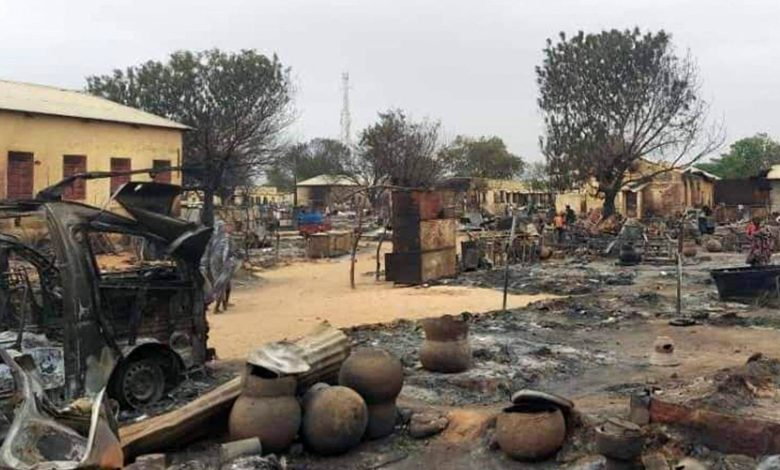
For 500 days, 260,000 people have been trapped by the Rapid Support Forces (RSF). As political progress falters, those who attempt escape are killed, while those left behind face starvation. Experts believe the city’s fall is imminent—that the end has already begun.
It was not unreasonable for Mariam Abdel-Ghaffar to imagine her life as a grandmother unfolding differently. But on the morning of August 11, she found herself crouched in a trench, bracing for the next assault.
The attack came just after dawn. She raised her battered Kalashnikov toward the onrushing pickup trucks. Rockets screamed overhead. Suicide drones—each the size of a small plane—hovered in the skies. Mortar shells rained down.
A row of nearby mud-brick houses disappeared. Explosions crept closer. Suddenly, she was thrown to the ground, her neck wet with blood.
The mother of five was pulled back from the frontline. El Fasher’s ambulances had run out of fuel months earlier. Someone pressed a cloth against her neck. Bandages were gone. Medicine, too.
“We couldn’t afford to lose Mariam. She was our oldest fighter,” said Fatima Ali.
Elsewhere in the city, Sara Bakhit crouched beside artillery near the deserted airport, ordering covering fire to prevent RSF fighters from overrunning Abdel-Ghaffar’s position.
The 43-year-old single mother—famous for her broad, tooth-gapped smile—was already a legend in El Fasher, having survived more than 150 battles. Everyone agreed: if she fell, the city would fall with her.
“But the fighting has become too dangerous,” she said. “Their snipers are targeting me constantly.”
Reports indicated RSF units were pushing south, deeper into the city, in a bid to capture the army’s last Darfur stronghold. Women were being abducted. Others executed on the spot. “We are fighting to survive,” Bakhit said. “We have no choice but to defend our families.”
For six hours, the battle swung back and forth. Then, abruptly, the RSF withdrew to their trenches around the city.
Bakhit rejoiced—but the night brought no feast. Food supplies inside El Fasher had long since run out.
The city has endured siege for more than 500 days. In May 2024, the United Nations warned it was on “the brink of famine.” No aid has entered since.
The August battle, in which Abdel-Ghaffar was wounded, marked the RSF’s 228th attempt to seize the city.
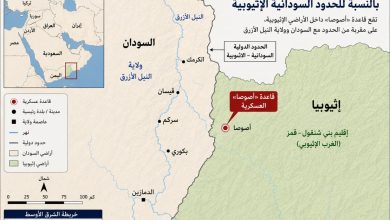
El Fasher remains the pivotal front in Sudan’s catastrophic war between the army and the RSF. Its fall would hand the paramilitary control of western Sudan, effectively slicing the country in two.
Against all odds, the city still holds. Its defenders—a mix of volunteers like Abdel-Ghaffar, rebels like Bakhit, and an exhausted infantry battalion—are now hemmed into a small pocket of the shattered city, alongside 260,000 civilians, half of them children.
“This is a medieval siege—something you would expect in the Middle Ages,” said Sheldon Yett of UNICEF.
But no aid has entered for 18 months. According to leaked documents, intelligence sources, and senior UN officials, the reason raises troubling questions about international priorities.
Evidence points to a key ally of the United States and United Kingdom actively blocking life-saving aid deliveries to El Fasher.
The United Arab Emirates intervened at a critical juncture. Since then, hundreds of children are believed to have died of hunger.
U.S. State Department officials directly urged the Gulf state to back a truce and allow humanitarian access. UN relief chiefs also negotiated with Abu Dhabi—but in vain.
The UAE, repeatedly accused of arming the RSF, denies supporting the group.
But sources monitoring the crisis say one of the longest urban sieges in modern warfare would not have been possible without its backing.
“The UAE is the lifeline of this siege. Without its support, the RSF would have abandoned it.”
Intelligence assessments warn the RSF is determined to carry out ethnic cleansing should El Fasher fall. Predictive models foresee massacres in the thousands.
Those same assessments confirmed the RSF aimed to overrun the city during the rainy season, which began in June, when cloud cover would shield war crimes from satellite surveillance.
As El Fasher’s skies darkened with June storms, Abdel-Ghaffar was summoned to the city’s northern front. RSF reinforcements were massing. The endgame had begun.