Operational Center Moved to Al-Obeid… Al-Atah Leads Battles as Large Forces Gather in Kordofan
Report – Amir Abdelmajid
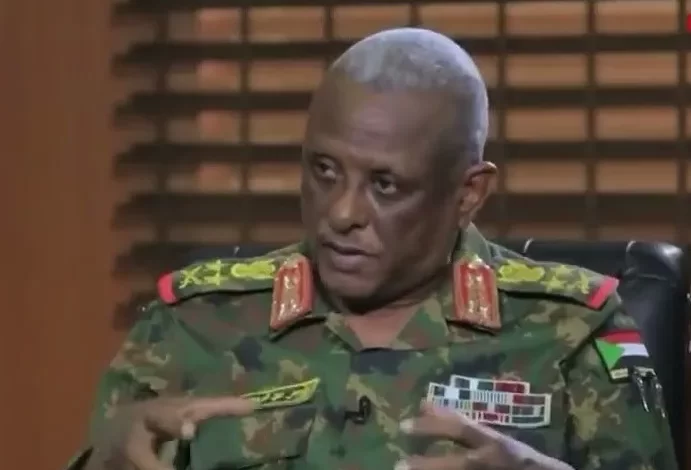
The arrival of Lieutenant General Yasser Al-Atah in Al-Obeid, North Kordofan, marked the official launch of a new phase of military operations in Kordofan and Darfur. His presence was not merely to reassure the city and state residents; Al-Atah appeared confident and calm, signaling the expected move to conclude operations in Kordofan and enter the battles to liberate Darfur.
This recalls statements he made years ago when militias were just a kilometer away from his headquarters, then located in Wadi Saydna. At the time, Al-Atah stated that the army would expel them from Gezira and Khartoum, pursue them in White Nile and Kordofan, and liberate Darfur. His words were optimistic amid daily shelling on civilian homes and army positions, and the siege of Kereri locality—the only area in Khartoum state that had not fallen to militias. Some smiled and moved on; others doubted him—but Al-Atah, who had never left the battlefield since the outbreak of hostilities, proved true to his word.
Today, he is in Al-Obeid not just for visits or morale-boosting but to transform it into the army’s operations hub for Kordofan and Darfur. From this new base, he declared that the army is preparing to launch maneuvers to liberate all areas outside its control. He added: “The command has completed its field and logistical arrangements in Al-Obeid, which has become a strategic center for army operations in Kordofan.” He continued: “The new maneuvers will cover all fronts to ensure security and stability and liberate areas up to Sudan’s borders with neighboring countries.”
In recent hours, wide military movements by the army and support battalions have been observed. Army forces swept through the Al-Khawi area with little resistance, thanks to aerial surveillance and precision strikes by warplanes and drones targeting militia gathering points. Military sources stated that the militia’s defensive retreat was imposed by the operational reality and continuous losses. Others suggested the militias aim to lure the army into areas where they can conduct rapid and surprise maneuvers to break defenses. This retreat gives the exhausted militias time to regroup. Reports indicate that the army continues its advance toward the strategic city of Al-Nahud, while remnants of militias from Ghabish and Abanusa flee into Darfur. Meanwhile, reinforcements from the Sudan Shield maneuver and Elite Brigade forces continue flowing into Kordofan, and joint forces operate in northern Kordofan, especially in Ab Qoud and Jabal Abu Sinoun, strategic areas crucial for militia supply lines.
Mohamed Ibrahim (Barhouma), returning from operations in Kordofan after being injured, said that the militia’s offensive composition causes heavy losses when the army attacks because they cannot properly fortify defenses and rely on firepower intensity. Consequently, any army assault disperses their forces, forcing them to withdraw and reorganize. The army has learned to lure them into areas unsuitable for combat while using the militias’ speed advantage against them.
He added that the militias suffer from disrupted fuel supply lines, particularly gasoline, which hinders their mobility. In many cases, they abandon vehicles due to fuel shortages, and ammunition supply is also inconsistent. Their previous heavy use of firepower has decreased, and high ammunition usage now signals withdrawal and attempts to cover retreats.
Brigadier General Yasser Saad noted that moving the military command to Al-Obeid was long overdue due to security and defensive platform preparations. Nevertheless, this step is crucial because it shortens supply and evacuation lines, ensures air and intelligence support, and opens multiple operational fronts. The presence of Al-Atah as operations commander underscores the importance of these battles and signals field control and the ability to simultaneously open combat lines after cutting supply routes. This will significantly affect military operations and reduce the militias’ capabilities, which are expected to lose the ability to fight in Kordofan before entering major battles in Darfur. The militias have already lost most of their core combat strength in Khartoum, Kordofan, and Gezira and will rely in upcoming phases on foreign mercenaries, mobilized recruits, and remaining fighters from their core forces.