3,500 Cholera Deaths and 2.7 Million Malaria Cases: WHO Warns of Epidemic Outbreaks in Sudan
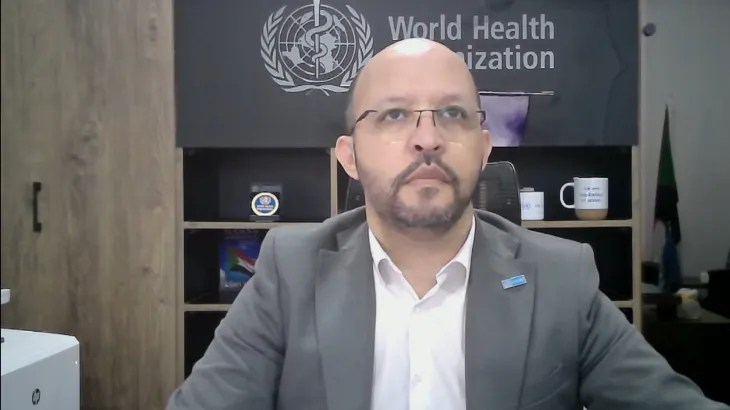
The World Health Organization’s Representative in Sudan and Head of Mission, Dr. Shible Sahbani, has warned of an extremely dangerous humanitarian situation in Sudan due to the ongoing conflict, which has been continuing for nearly three years. The conflict has directly impacted the country’s healthcare system, which is facing unprecedented challenges amid the spread of diseases, malnutrition, and the disruption of many essential services.
Speaking to Al Jazeera Mubasher from Port Sudan, Sahbani said Sudan’s health crisis is marked by a dangerous dual burden. On one hand, the country is witnessing widespread outbreaks of infectious diseases, malnutrition, and chronic illnesses. On the other, healthcare facilities are suffering from severe shortages of medical supplies, human resources, and funding, in addition to difficulties in accessing healthcare services due to security conditions.
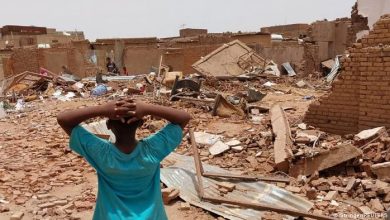
He noted that the health system has been subjected to repeated attacks during the war, targeting hospitals, ambulances, and healthcare providers. This has led to the destruction of facilities and equipment, as well as the injury and killing of large numbers of healthcare workers and patients. He added that over a period of two and a half years, the WHO documented approximately 2,002 attacks on the health sector, resulting in 1,883 deaths.
Spread of Infectious Diseases
Sahbani explained that the greatest current threat is the spread of infectious diseases, noting that cholera has spread across more than 18 states, causing around 3,500 deaths. Dengue fever has also claimed 1,084 lives, while more than 2.7 million malaria cases have been recorded. The country is also facing a worsening hunger and malnutrition crisis.
In this context, Sahbani revealed that approximately 44,000 children have been admitted to hospitals due to severe acute malnutrition, warning of the serious consequences of this crisis. He also highlighted rising maternal deaths during childbirth, along with the spread of chronic illnesses such as hypertension.
The WHO representative stressed that displacement remains one of the biggest health challenges in the country. Around 3.9 million internally displaced people face major difficulties in accessing basic healthcare services. Returnees are also suffering from shortages of food, safe drinking water, and healthcare, amid deteriorating economic conditions and limited services.
Regarding the ability of the health system to continue functioning, Sahbani said the system had been on the verge of collapse, and that hopes were nearly nonexistent about a year ago due to the scale of destruction and the displacement of medical personnel. However, he stressed that the system is still holding together thanks to the determination of Sudanese healthcare workers, particularly those serving on the front lines.