Berlin Conference – April 2026: From the Quartet to the Quintet… What’s New?
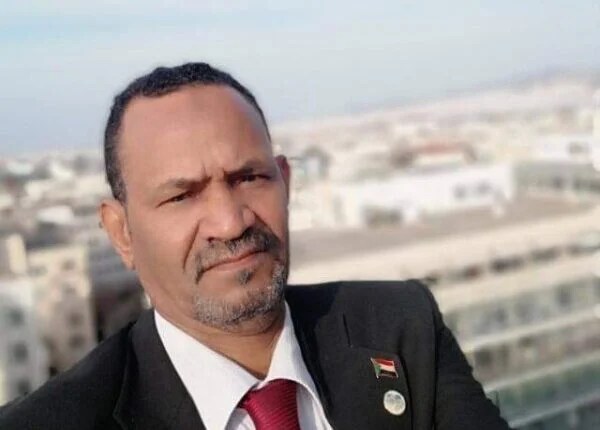
Abdelmalik Al-Naeem Ahmed
Germany has announced the convening of the Berlin Conference on peace in Sudan in mid-April, as part of the activities of what is known as the Quintet Committee, following Germany’s entry into the process. According to the organizers, the timing of the conference coincides with the third anniversary of the outbreak of the war and the passing of one thousand days since it began. It is as if the timing of the conference represents a celebration of the war rather than a genuine effort to end it and address the material and human losses it has caused in Sudan. This is because such concerns are not among the priorities of the Quintet or its predecessor, the Quartet, as both operate in pursuit of Western and American interests.
This reality requires Sudan—its government, political forces, and society—to recognize that such conferences, if they do not worsen and further complicate the situation in Sudan, will certainly not resolve it. Therefore, focus must be placed on internal dialogue, strengthening the domestic front, and adopting a unified national stance in facing external pressures.
The anticipated Berlin Conference is considered the third of its kind on the same issue, and its predecessors produced no positive outcomes that contributed even minimally to a solution—let alone resolving the problem entirely. The Paris Conference was held in 2024, followed by the London Conference in 2025, yet no one knows what they actually achieved to justify calling for a third conference in Germany—one that carries the seeds of its failure even before it begins. This is not pessimism or unjustified rejection; rather, all the surrounding circumstances confirm this assessment and expectation.
The first indicator of the Berlin Conference’s potential failure is the Quintet’s invitation to groups such as “Sumoud” and “Tasees” to attend, which are widely rejected by the Sudanese people due to their support for the rebel militia and the harm it has inflicted on the population. The second indicator is that it follows the same approach as Massad Boulos’s Quartet, which did not recognize the current governmental institutions and equated the national army with the Dagalo militia. The third indicator is the rejection by Sudanese political forces of the way invitations were issued and the nature of participation, which is a crucial factor in representing internal perspectives on the ongoing war. The fourth indicator is the context in which the conference is being held: ongoing attacks by militias—supported by Sumoud, Taqaddum, and Tasees—targeting hospitals, schools, and civilian infrastructure, along with the opening of a front through Ethiopia. Additionally, continued Emirati support—despite numerous conferences and meetings failing to stop or even condemn it—remains a factor, with the UAE still actively participating in these conferences and committees. This constitutes the fifth indicator of the Berlin Conference’s likely failure.
According to the conference arrangements, preparatory meetings will be held in Ethiopia—a country that is now openly conspiring against Sudan by allowing militias and mercenaries to train on its territory, launching drone attacks from its soil on the Blue Nile region, and opening its borders for mercenaries to attack Al-Kurmuk and Qeisan, posing a new threat to civilians in the region.
If these are the conditions under which the Quintet will hold the Berlin Conference—without real consideration or evaluation of the situation in Sudan, and while recognizing illegitimate entities to speak on behalf of the Sudanese people—then where are the elements of success?
It is time for the government and political forces within Sudan to realize that there is no benefit to be gained from such biased conferences, whose organizers do not truly care about Sudan’s cause. Anyone who relies on them is bound to lose. And whoever expects the United States and Western countries to solve their problems should look at what they are currently doing in Iran and the Gulf states, and previously in Iraq, Pakistan, and Syria—supporting Israel and pursuing ambitions to control the entire region and secure their economies by dominating its resources. Sudan is no exception.
So, will we learn the lesson before it is too late?