Minister of Livestock: Wastage of Sacrificial Animal Hides Costs the State Millions Annually
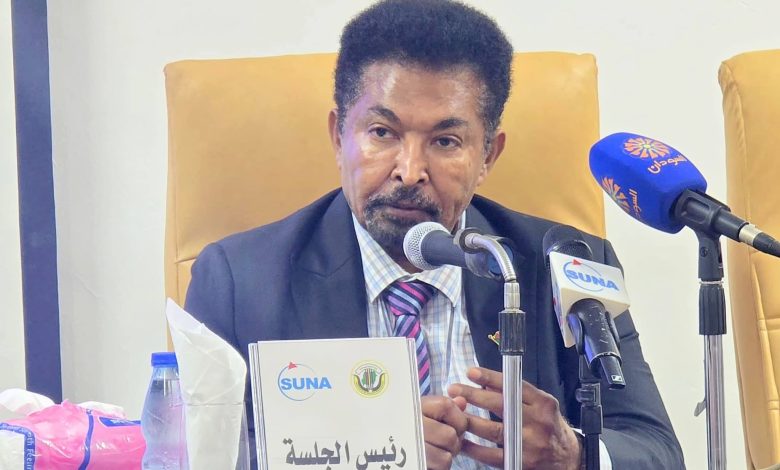
The Minister of Livestock and Fisheries, Professor Ahmed Al-Tijani Al-Mansouri, acknowledged that the leather sector suffers from significant waste and neglect due to poor handling, inadequate utilization, and insufficient coordination among relevant authorities.
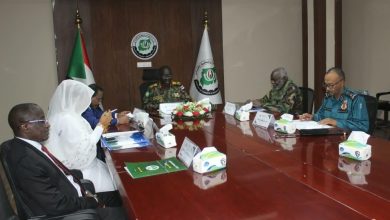
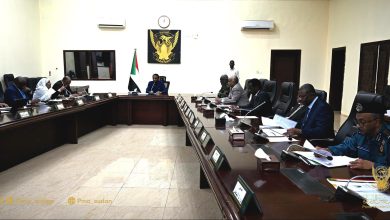
Speaking on Thursday at a workshop on preventing wastage of sacrificial animal hides, organized by the ministry in cooperation with the Sudan News Agency, he stated that this issue deprives the state treasury of millions of dollars annually from a resource that could substantially contribute to the national economy.
The minister noted that the waste and poor utilization of hides also lead to major economic losses, in addition to environmental problems caused by accumulated waste.
He explained that the ministry’s strategic plan, which includes 40 projects under the Government of Hope program, allocates significant focus to the leather sector. The plan aims to transform hides from waste into strategic exports, establish markets for leather products, increase trade volume, avoid exporting raw hides, and instead process them into finished goods. It also includes forming partnerships with international expertise firms and promoting leather products.
The minister further highlighted coordination with the Ministry of Industry and Trade to rehabilitate meat and livestock product factories, develop the sector, and establish partnerships with global fashion houses to maximize the value of leather in support of the national economy.
He added that the regional war in the Middle East has led to rising meat prices in regional markets due to increased shipping and insurance costs and difficulties importing from Latin America. He called for better utilization of this opportunity by facilitating procedures for exporters and filling the gap in regional markets.
For his part, the Undersecretary of the Ministry of Livestock and Fisheries, Ammar Al-Sheikh Idris, revealed a strategic plan to modernize and develop the leather sector through production and manufacturing rather than exporting raw materials. He stressed the importance of coordinated efforts among relevant institutions, particularly the Ministry of Industry and Trade, to transform leather into a key economic resource supporting national economic growth.
The Undersecretary pledged to implement all recommendations and decisions from the workshop to advance the leather sector in the country.