Interview with Masad Boulos on Sudan – Semafor
Sudan Events – Agencies
Introduction
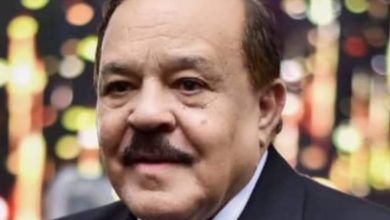
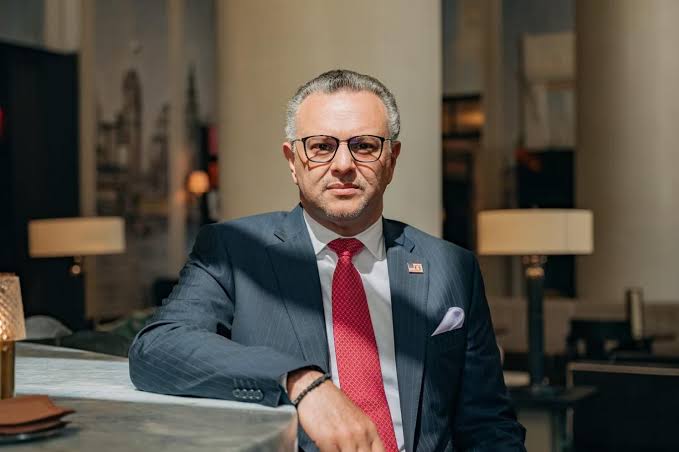
On the sidelines of the United Nations General Assembly in New York in September 2025, Semafor held an exclusive interview with Masad Boulos, Senior Advisor for African Affairs in the U.S. administration and President Donald Trump’s chief advisor on African policy. The conversation was conducted by Yinka Adegoke, Semafor’s Africa Editor.
The discussion centered on Sudan’s catastrophic humanitarian crisis, particularly in El Fasher, a city under siege and the scene of fierce battles. It also explored the role of the international Quartet (the United States, Saudi Arabia, Egypt, and the United Arab Emirates) in charting a roadmap for peace and a possible transition to democratic civilian rule. The interview further addressed criticisms of the Quartet—especially regarding the UAE’s role—as well as Sudanese concerns about the lack of justice and accountability for atrocities committed during the conflict.
Background
Sudan as the world’s largest humanitarian crisis: According to the UN and UNICEF, more than 522,000 children have died from malnutrition since the war began, while millions face famine and displacement.
The battle for El Fasher: The besieged North Darfur city has become a symbol of the humanitarian tragedy, with repeated reports of airstrikes on civilians—including mosques—and severe shortages of medical and food supplies.
The International Quartet: Established in 2023 as a U.S.-led diplomatic framework with Saudi Arabia, Egypt, and the UAE, tasked with coordinating ceasefire efforts and Sudan’s political transition. It has faced repeated criticism from Sudanese civil forces, who view it as exclusionary and biased toward certain regional players.
The September 12 statement: After two months of consultations, the Quartet issued its most detailed statement since the war began, outlining a timeline for ending the conflict and transitioning to civilian rule, with an initial commitment to accountability for war crimes.
The U.S. role under Trump: The current administration is seeking to project greater engagement on Sudan compared to the past two years, amid criticism that the international community has ignored the scale of the humanitarian catastrophe.
The Interview:
Masad Boulos: Sudan, tragically, is today the world’s worst humanitarian disaster—and by a wide margin. Today’s meeting was a follow-up to ensure we begin implementation, especially on the humanitarian front.
Yinka Adegoke: You mentioned the Quartet. But many in Sudan, especially civil groups, argue that the Quartet is not inclusive and that the UAE in particular is playing a destructive role in the conflict. How do you respond to that criticism?
Masad Boulos: Look, in every conflict there are narratives, there are accusations, and there are different perspectives. What we are trying to do is strike a balance within those dynamics.
Yinka Adegoke: And what about accountability? Many Sudanese fear that all this talk of roadmaps and political frameworks won’t deliver justice for the atrocities that have already been committed.
Masad Boulos: Accountability is critical. In fact, the September 12 statement made explicit reference to accountability for war crimes. But justice is also an essential component of any long-term solution.
Yinka Adegoke: If you had to send one message to the Sudanese people today from the Trump administration, what would it be?
Masad Boulos: The message is simple: You are not forgotten. We are committed.