Sudanese Dialogue: The Objective Before the Participants
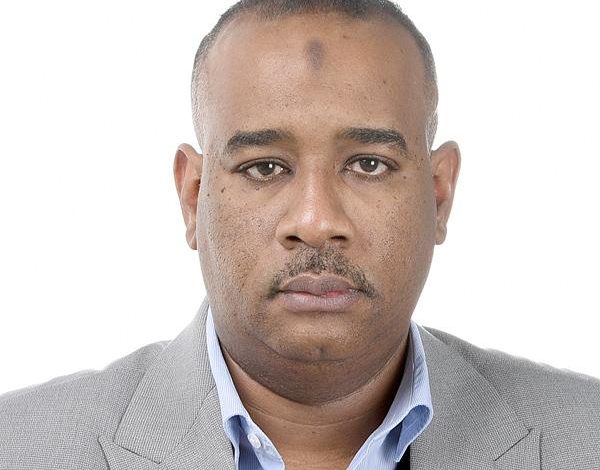
Muhannad Awad Mahmoud
I would like to thank Mr. Ayman Kaboush for his thoughtful article, “A Call from the Preparatory Committee,” published in the esteemed Al-Awda newspaper on Sunday, November 1, 2026. The questions he raised deserve discussion, as they provide an opportunity to clarify the concept of the dialogue that the committee is working to create a conducive environment for, its purpose, and the parties that should participate in it.
Before asking, “Who should we engage in dialogue with?”, we must first ask, “What are we seeking to achieve through dialogue?” The value of dialogue is not determined by the positions its participants hold towards the Preparatory Committee, but rather by the opportunity it offers Sudanese people to discuss the root causes of the crisis and reach a consensus on principles that will help them end the war, address its underlying causes, and manage their differences peacefully.
Sustainable peace requires a national consensus on the foundations of governance, the administration of the state, the building of its institutions, and the arrangements for the transitional period. Such a consensus should pave the way for democratic life, disciplined political practice, and the peaceful transfer of power. For this reason, the dialogue is built around two complementary tracks: a societal track and a political track.
The societal consultations have made considerable progress through meetings with native administrations, community leaders, representatives of administrative units, Sufi orders, religious authorities, and other community groups. This track provides an opportunity to listen to people’s perspectives and needs, while reflecting the diversity of Sudanese society, which cannot be reduced to political parties and alliances.
The political track complements this effort. While societal consultations highlight citizens’ priorities and aspirations, political dialogue provides an opportunity to discuss ways of translating them into practical understandings and arrangements. The two tracks should converge within a single national process, ensuring that society’s voice has a meaningful impact on the discussions and that political understandings are grounded in broader participation.
Citizens are the stakeholders with the most direct interest in determining their country’s future after the war. They have the right to participate in discussions about the form of governance, the administration of the state and its institutions, and the priorities of the transitional period. This participation should include women, young people, internally displaced persons, refugees, and all other groups affected by the war.
Likewise, civilian representation should not be confined to a single political alliance or group. Political parties have the right to express the views and positions of their constituencies, while citizens have the right to speak for themselves directly. Listening to society complements the political role of parties and helps ensure that the resulting understandings reflect Sudan’s diversity and are capable of securing broader acceptance.
Political forces also have a fundamental role to play in the dialogue. They contribute to organizing political life, presenting political programmes, fostering democratic competition, and ensuring the peaceful transfer of power. Accordingly, the committee continues its consultations with political forces inside Sudan, while also maintaining communication with other political groups, listening to their positions and reservations. Differences do not preclude participation, and prior agreement is not a prerequisite for sitting down at the dialogue table.
The committee is working to create the conditions for this dialogue and open channels of communication, while the responsibility for reaching understandings rests with the Sudanese participants themselves. The success of the dialogue should therefore be measured by its ability to engage Sudanese people in addressing the root causes of the war, reaching agreement on how to manage their differences, and shaping their country’s future.
This is the kind of dialogue Sudan needs: a dialogue in which its people participate, and which places the national interest and their right to determine their country’s future at the forefront of its objectives.