The Sudanese Observatory for Human Rights has revealed the findings of an investigation lasting nearly a year and a half, released on the second anniversary of the massacre in Al-Hilaliya, eastern Al Jazirah State. The investigation concluded that the rebel Rapid Support Forces (RSF) militia deliberately poisoned water sources in the town of Al-Hilaliya and neighboring villages during its invasion of the state, using highly toxic chemical pesticides. The poisoning resulted in the deaths of more than 1,900 civilians.
The Observatory’s investigation team determined that the poisoning took place after a severe humanitarian siege had been imposed on civilians and the militia had seized control of food supplies and essential provisions.
According to the Observatory, the RSF militia, led by Hemedti, looted highly toxic pesticides from warehouses and chemical pesticide markets in Khartoum State, specifically from the Bahri Market and the Central Market, before using them to contaminate water sources.
Laboratory tests conducted on water samples collected from one of the wells revealed significant changes in the water’s properties, along with indicators of the presence of chemical elements and compounds, including ammonium and arsenic.
The Observatory confirmed that it collected, preserved, and documented the samples in accordance with internationally recognized protocols and standards, including the Chain of Custody procedure. It retains the original samples and is prepared to submit them to any international body or specialized laboratory requesting their examination and verification.
According to the investigation’s findings, the victims were buried in mass graves in Al-Hilaliya and Wad Abu Saleh in eastern Al Jazirah State, as well as Umm Dawaban, southeast of Khartoum State. Witness testimonies indicated that most households in the town had lost at least one family member as a result of the deliberate poisoning.
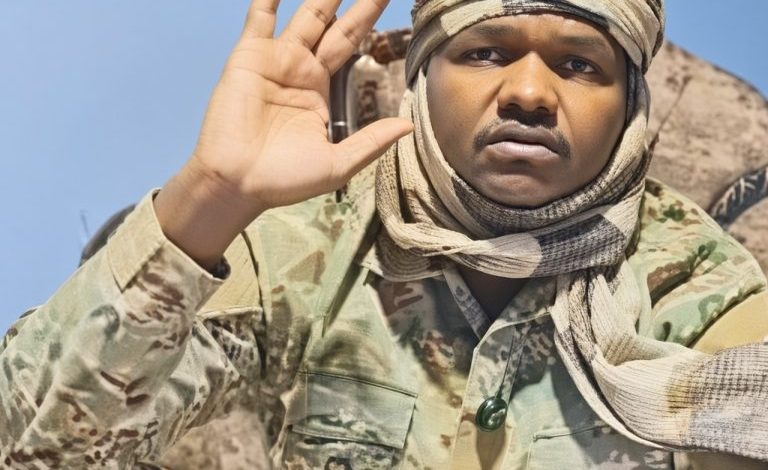
The Observatory identified two RSF field commanders, Al-Obaid Suleiman, known as Abu Shotal, and Commander Ahmed Adam, known as Qajja, as among those responsible for overseeing and carrying out the operation. It also reported that the militia’s medical unit directly supervised the looting of chemical pesticide markets and warehouses.
The Observatory stated that the use of pesticides was intended to forcibly displace the area’s indigenous population in retaliation for the defection of a commander from the region. It said these acts constitute war crimes and crimes against humanity, in addition to violations involving the use of chemical substances prohibited under international law. It further considered the use of chemical pesticides to kill civilians in Al-Hilaliya an unconventional form of chemical and biological warfare involving substances banned internationally.
The Observatory held the Sudanese authorities responsible for their failure and negligence in collecting evidence and documenting the victims, as well as for not establishing an independent committee to assess the scale of the catastrophe and take the necessary measures to ensure justice and safeguard the rights of the victims.
The Observatory strongly condemned the crime of poisoning water sources and killing civilians, calling for an independent international investigation, the deployment of specialized teams to examine the evidence and samples, the identification and documentation of victims and mass graves, the prosecution of everyone responsible for planning and carrying out the operation, and guarantees of justice and reparations for survivors and victims’ families.
It also called on local, regional, and international justice institutions to unite in holding those responsible for this crime accountable and bringing the perpetrators to justice.