El Fasher Bleeds: RSF Terror and the Silence of the International Community
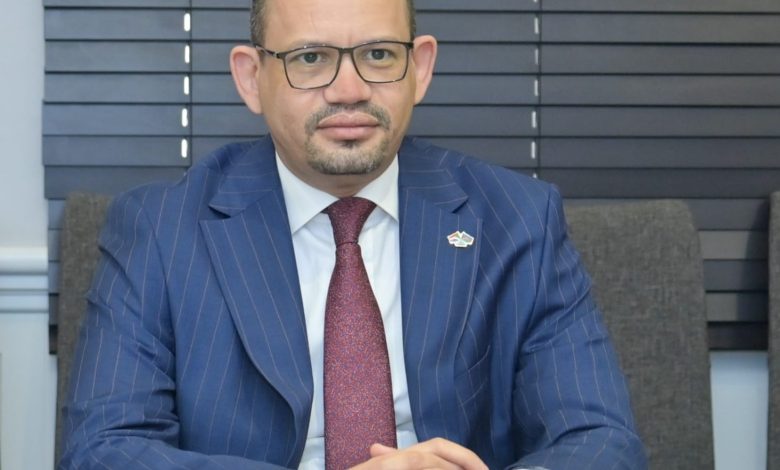
By Mustafa Abdelhaleem Mahmoud
Sudanese Diplomat
Since April 2023, Sudan has been plunged into one of the darkest chapters of its modern history. The Rapid Support Forces (RSF), an armed rebel militia, violently turned against the legitimate Sudanese government, directing their weapons not only at the national army but also at the very institutions entrusted with protecting the people. What began as a foiled military coup quickly escalated into a calculated campaign of destruction, targeting the country’s infrastructure, resources, and national identity. El-Fasher, the capital of North Darfur, has borne witness to some of the most horrifying crimes against civilians, evoking grim memories of ethnic massacres and acts of genocide.
Reports from the United Nations and human rights organizations paint a harrowing picture: mass executions, cold-blooded killings of women, children, and the elderly, alongside indiscriminate attacks on neighborhoods, mosques, and hospitals. Humanitarian workers and medical personnel were not spared, hospitals were destroyed, ambulances looted, and schools and aid centers occupied for military purposes. These acts are far from those of legitimate combatants; they constitute deliberate terror, carried out by an ethnic militia that has abandoned all moral and ethical restraint, committing crimes universally recognized under international law as war crimes and crimes against humanity.
Despite overwhelming challenges, the Sudanese Armed Forces have remained steadfast, defending civilians and safeguarding the nation’s territorial integrity. The Sudanese government has consistently emphasized that its fight is not against the people of Darfur, but against a violent, power-hungry rebellion bent on spreading chaos and bloodshed. As the state strives to protect civilians and keep humanitarian corridors open, the RSF militia continues its relentless campaign of terror, flagrantly defying law, morality, and the fundamental principles of humanity.
The international community largely watches in silence. Official statements of “deep concern” and “calls for dialogue” are woefully inadequate in the face of the unfolding catastrophe in El-Fasher and across Darfur. This muted response sends a perilous message: it emboldens the militia, undermines peace and stability in Sudan and the wider region, and turns a blind eye to the suffering of thousands of innocent civilians.
The terrorist militia’s crimes extend far beyond murder and terror; they have systematically targeted Sudan’s national wealth. Public institutions, banks, and warehouses have been looted; state and private property seized; and critical infrastructure, built painstakingly over generations, reduced to rubble. This is a deliberate campaign to dismantle the state, cripple its institutions, and ignite civil chaos.
ElFasher is more than a local crisis; it is a global test of conscience and of the international legal system. If the world cannot halt massacres unfolding in plain sight, how can it credibly claim to uphold human rights or protect civilians? The leaders and financiers of this ethnic terrorist militia must be brought to justice, and the international community must take decisive, unequivocal action against anyone providing them with logistical, political, financial, or media support.
No matter how long the rebellion endures, the Sudanese state will prevail. Its army and people, steadfast and resilient, will restore security and unity. El-Fasher, scarred yet unbroken, will rise from the ashes, and Darfur will remain an inseparable part of Greater Sudan, impervious to the bullets of betrayal and the machinery of chaos. History will remember that the legitimate state institutions stood firm against an armed militia, defending its people, sovereignty, and dignity against terror and destruction.