Sudan in the Security Council: Sanctions and the Arms Embargo Return to the Fore
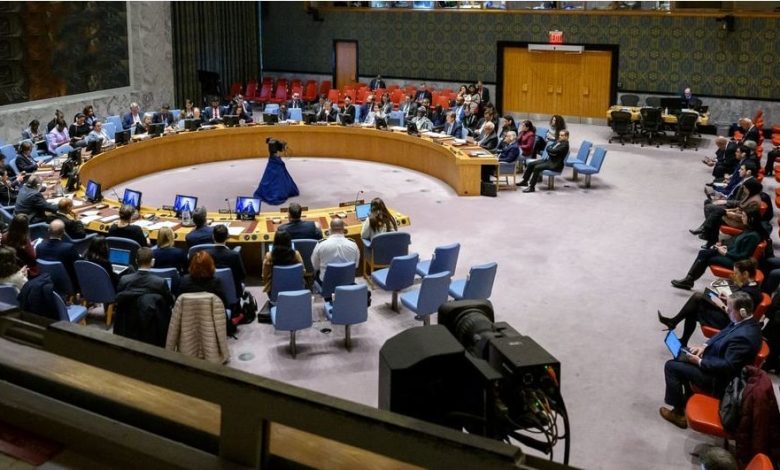
The Sudan file enters September facing a sensitive diplomatic deadline: the UN sanctions regime imposed under Resolution 1591 is set to expire on September 12, while the mandate of the Panel of Experts assisting the Sanctions Committee expires on October 12.
According to a Security Council Report published today, the Council will need to vote in the coming days on extending the sanctions regime, amid growing disagreement over whether the current sanctions are sufficient or whether the arms embargo should be expanded geographically to cover all of Sudan.
The current regime was established primarily in the context of the old Darfur war, and the arms embargo is therefore focused on Darfur.
However, the 2023–2026 war has completely changed the geographical landscape.
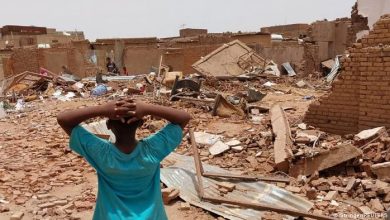
Drones are striking Khartoum, Atbara, and El Obeid, while weapons are moving through Kordofan, Blue Nile, and Sudan’s borders with several countries. This has prompted calls from the United States to expand the arms embargo to cover the entire country, including drone systems and their components.
For supporters of the expansion, the argument is straightforward: there is little rationale for an arms embargo limited to Darfur when the war has become nationwide.
Khartoum, however, opposes a comprehensive embargo because it considers the army to be the legitimate state institution and argues that placing it on an equal footing with the Rapid Support Forces under an import ban would effectively deprive the government of its right to defend the country.
This lies at the heart of the dispute within the Council.
Russia and China have traditionally been more cautious about expanding sanctions and punitive measures, while the United States, Britain, and France tend to favor using Security Council mechanisms to increase pressure on the parties to the war and their external support networks.
The second question concerns enforcement.
Even if the Security Council expands the embargo, can it actually stop the flow of weapons?
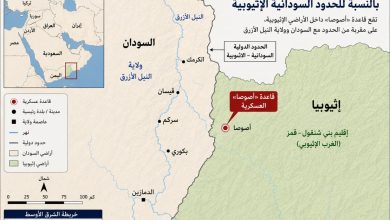
Sudan’s borders stretch for thousands of kilometers with Egypt, Libya, Chad, the Central African Republic, South Sudan, Ethiopia, and Eritrea, in addition to its Red Sea coastline.
The war itself has demonstrated a significant capacity to make use of remote airstrips, desert routes, commercial flights, and intermediary companies.
The effectiveness of any arms embargo therefore depends on mechanisms for monitoring and enforcing sanctions against companies, countries, and individuals that violate them.
This is where the Panel of Experts becomes particularly important.
Its reports collect information on arms movements, flights, companies, and financing networks. Many international allegations concerning external support for the parties to the war have moved from political discourse into UN documentation through the work of the panel.
Information reviewed by Security Council Report indicates that sensitivities remain within the Sanctions Committee over questions directed to countries in the region and the responses provided by those countries.
There is also a new factor: statements made today by Yasser Al-Atta, who said that neither the Security Council nor the United Arab Emirates would stop the army’s advance.
The statement reflects the military leadership’s view that the debate over sanctions is part of a parallel political battle accompanying military operations.
As the vote approaches, three key questions will come to the forefront:
- Will the Council simply extend the existing sanctions regime?
- Will it expand the arms embargo?
- Will it add new individuals or companies to the sanctions list?
The answers will determine the level of confrontation between Khartoum and some Western powers during September.
Even if the proposed expansion fails, however, the mere fact that it has been put forward reveals an important shift: the international community is increasingly treating drones and external supply networks as key factors in sustaining the war.
This will likely become one of the most important arenas of Sudanese diplomacy in the coming weeks.