Economic Expert Reveals to (Sudan Events) the Cause of the Fuel Crisis
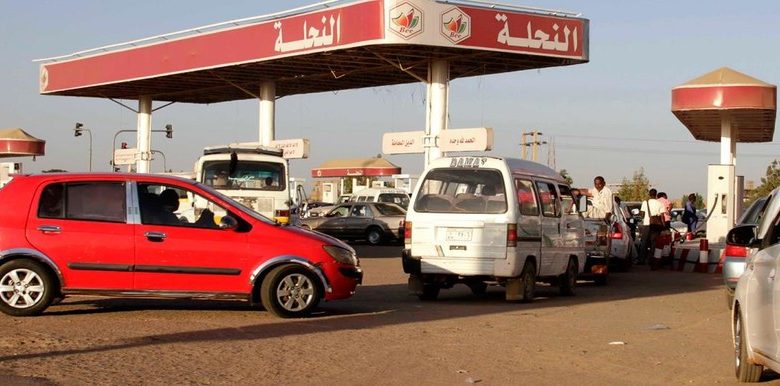
Khartoum – Rehab Abdullah
Economic expert Abdul Rahim Mohamed Al-Kadugri stressed that addressing Sudan’s fuel problem requires a comprehensive economic vision, beginning with ensuring regular supplies, regulating imports and distribution, combating smuggling and corruption, and directing fuel toward productive sectors, particularly agriculture, mining, and transportation.
Speaking to Al-Ahdath, he asserted that the real solution lies in linking fuel supplies to production, so that fuel becomes a means of increasing output and generating economic returns for the state rather than merely a commodity for consumption.
He emphasized the need for financial and technical oversight mechanisms to ensure that fuel reaches its intended recipients, reduce waste, and increase state revenues from natural resources.
Al-Kadugri maintained that there was no genuine fuel crisis and that the situation had instead been deliberately engineered to serve political and commercial interests. He noted that the aim was to disrupt productive sectors, particularly mining, adding that information indicated that large quantities of fuel were available in storage depots.
Al-Kadugri argued that the problem was not simply the availability of fuel, but also how it was managed, financed, and distributed, and whether the national economy benefited from it.
Accordingly, he said one of the first urgent steps toward resolving the crisis should be for the Sudanese Petroleum Corporation to take responsibility for importing fuel and overseeing its distribution.
He also called for the mobilization of private-sector resources, noting that the mining sector, in particular, had accumulated financial resources, while other funds were being diverted into smuggling. He said a positive financing mechanism should be designed for mining companies to ensure a continuous fuel supply, whether through a dedicated financing portfolio or a special fund managed by a bank and supervised by either state or federal authorities.
Such an arrangement, he explained, would help curb smuggling, ensure the continuity of production, and regulate fuel use in the interests of the state.
In the same context, an official agreed that the crisis was deliberately engineered, stressing that not all imported fuel was reaching consumers.