Khartoum: Government Moves to Address the Social Consequences of the War
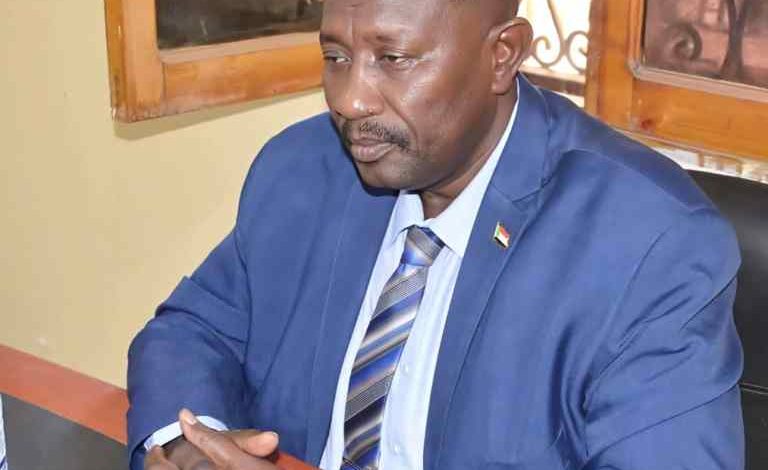
Khartoum State Minister of Social Development, Siddiq Hassan Farini, has revealed the implementation of a package of social recovery programmes aimed at addressing the humanitarian, psychological, and economic consequences of the war. He affirmed that the ministry is prioritizing the rehabilitation of affected women, combating drug abuse, caring for children deprived of parental care, and promoting the economic empowerment of women and young people in the coming phase.
Farini confirmed that the ministry has begun rehabilitating more than 44 women’s development centres across Khartoum State, in cooperation with relevant authorities. The initiative aims to provide rehabilitation services and psychological and social support to women who have experienced various forms of violence at the hands of the Rapid Support Forces (RSF) militia. He noted that these centres serve as important platforms for recovery, restoring social cohesion, and strengthening women’s ability to overcome the consequences of the war.
On the issue of combating drug abuse, Farini said the ministry is working to implement psychological rehabilitation and social reintegration programmes for people struggling with addiction. He warned of the dangers posed by the spread of drugs within society, particularly among young men and women.
He called on national and international organizations, philanthropists, and community initiative groups to make active contributions towards reopening the Hayat Addiction Treatment Centre, describing it as one of the important institutions providing treatment and rehabilitation services to people struggling with addiction from various segments of society. He stressed that combating drugs is a collective responsibility requiring coordinated efforts by both official institutions and the wider community.
Farini added that drugs pose a serious threat to the future of society, arguing that the campaign to destroy families and target young people is no less dangerous than the war waged by the RSF militia against the Sudanese people. This, he said, makes it imperative to confront the phenomenon through comprehensive preventive and treatment programmes.
Regarding street children and those deprived of parental care, the Director-General issued an urgent appeal to all official and community bodies, organizations, and philanthropists to unite their efforts and provide the basic needs of this vulnerable group. This comes amid a continued increase in the number of children deprived of parental care across the state, as a result of the profound economic and social repercussions of the war, including worsening poverty and the breakdown of numerous families.
Farini explained that the ministry has decided to abolish the institutional care programme for children deprived of parental care and replace it with a direct foster-care programme through families willing to take children into their homes. The ministry has also moved to activate an emergency family-care programme, under which families provide care for children in return for monthly financial assistance from the ministry. The aim is to ensure a more stable family environment and provide humane care that safeguards children’s dignity and rights.
On the economic empowerment front, Farini affirmed that the ministry is giving particular attention to empowering women and young people as part of its social recovery plan, which was launched following the liberation of Khartoum State. He noted that genuine recovery cannot be achieved without providing sustainable sources of income and improving the living conditions of affected families.
He explained that the programmes seek to develop women’s capabilities and prepare them to manage small businesses through training in handicrafts, handmade products, home-based industries, and productive income-generating skills. These initiatives are intended to ease the burden of living costs and strengthen self-reliance.
He added that the ministry is also working to encourage the establishment of productive women’s associations, transforming individual skills and capacities into collective economic ventures capable of increasing production and contributing to gross domestic product (GDP).
Farini stressed that the social recovery phase requires moving beyond responding to the immediate consequences of the war towards building a more cohesive and productive society. He emphasized that protecting women, children, and young people, addressing harmful social phenomena, and expanding the social protection network are fundamental pillars for rebuilding society and restoring its well-being.
Ultimately, the challenge in the post-war phase lies in transforming social recovery programmes from plans and initiatives into tangible realities that restore women’s dignity, protect children, save young people from the dangers of addiction, and open up opportunities for production and self-reliance for Sudanese families.