Minawi’s Adviser Denies Alleged Alliance with RSF, Confirms U.S. Visit
Report – Musab Mohamed Ali
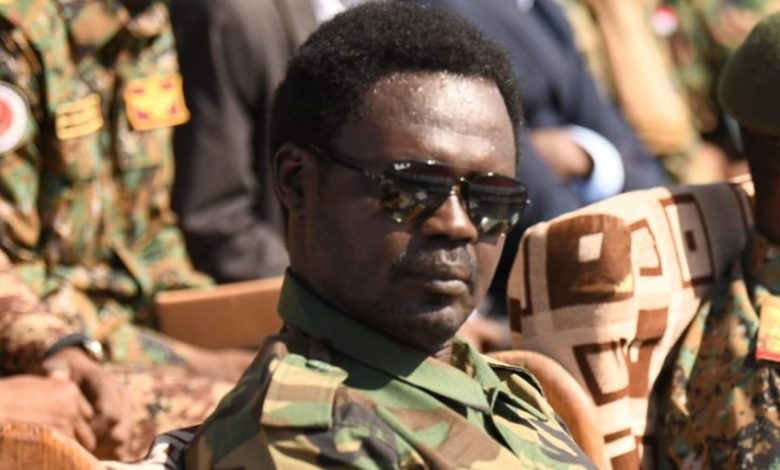
Fawzi Hassan, political adviser to the Governor of Darfur Region, Minni Arko Minawi, has dismissed what he described as “rumors and speculation” regarding the reasons behind Minawi’s recent trip abroad. He stressed that the visit was carried out under an official mandate and is part of humanitarian efforts related to the deteriorating situation in the region.
Speaking to Istiqsa’i, Hassan said:
“Minawi is on an administrative mission outside Sudan, officially tasked and approved by the country’s leadership. The visit includes meetings with international actors to explore ways of alleviating the humanitarian suffering in Darfur.”
He confirmed that Minawi will return as soon as the mission is complete, categorically denying claims that he intends to ally with the Rapid Support Forces (RSF) or that he visited organizations linked to prohibited weapons.
Call to Avoid Internal Fighting in Darfur
In a related context, Hassan renewed his appeal to the people of Darfur to avoid being drawn into internal conflict, warning of “parties seeking to ignite strife in the region.”
“Some remnants of the former regime and elements of an ethnicist current are clearly using social media to fuel internal conflict, continuing to incite violence with the aim of dismantling Darfur’s social fabric,” he said.
He emphasized that “any reasonable person rejects war and wishes for it to end,” but added that “ending the conflict can only be achieved under the army’s conditions—chief among them ensuring the militia does not return to its previous status,” in reference to the RSF.
Dismissing Reports of Internal Disputes
Responding to reports of internal rifts between Minawi’s Sudan Liberation Movement and other armed movements or civilian groups, Hassan said:
“I only heard about these alleged disputes from your question,” stressing that such claims in the media lack accurate information.
He also denied rumors that leaders in eastern Sudan or other figures, such as Mohamed Bashir Tambour, had called for Minawi’s arrest. “Tambour personally bid Minawi farewell before his departure,” Hassan noted, adding that entrusting Tambour with the region’s administration during the governor’s absence is a standard administrative procedure, previously applied with other officials like Bashir Marsal in South Darfur.
Transparency and Controversy
Addressing frequent controversy over Minawi’s public statements, Hassan said:
“Minawi is straightforward in his positions and states facts as they are. This is why some perceive him as controversial. But transparency is the essence of success if we aim to build a strong state.”
On the movement’s insistence on executive positions, Hassan explained:
“Our presence in government stems from the Juba Peace Agreement. Calling for the appointment of ministers from within the movement is not a quest for power but a commitment to the agreement. Failure to comply would mean retreating from the deal, which is effectively the same as withdrawing from it.”
The Road Ahead for Sudan
When asked about Sudan’s future amid two rival governments claiming legitimacy, a divided population, and escalating hate speech, Hassan said:
“I do not see separation as an option, nor do I believe the Sudanese people would accept it. The previous experience has proven this path a failure. Sudan will remain united.”
He added that “despite the challenges, the armed forces remain the country’s safety valve,” stressing that “the militia government lacks any basis for legitimacy, enjoys neither popular nor international recognition, and has been rejected both domestically and abroad.”