The Complex Sudanese Situation Between U.S. Interests and Egyptian Irritation
Sudan Events – Agencies
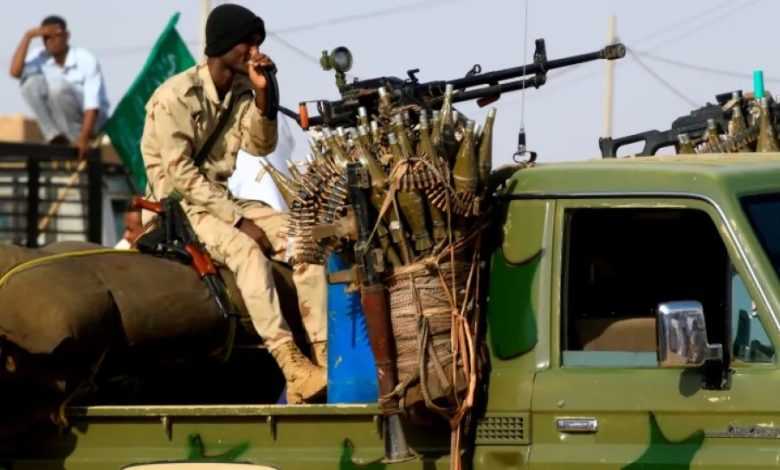
Amid conflicting leaks and the raging battles in Kordofan, between the sterile meetings held here and there and the heated public sentiment in the streets, Sudan’s reality appears increasingly complex—and grows more so by the day. How will this war end, or even pause, amid the constant clashes in El-Fasher and Kordofan? All attempts to stop the fighting and initiate humanitarian relief operations—delivering aid to civilians trapped in areas seized or besieged by the Rapid Support Forces (RSF)—have failed, from the Jeddah talks weeks after the outbreak of the April 2023 war to the Geneva negotiations in August 2024.
Despite the involvement of states with significant global and regional influence, a solution remains distant as the fighting intensifies and spreads.
Dr. Saeed Salama, director of the Vision Center for Strategic Studies, says that international and regional powers are still far from reaching a common framework to resolve the Sudanese crisis. “These powers continue to view Sudan’s conflict through the lens of their own interests, proposing solutions that serve those interests rather than those of the Sudanese people or their vision for peace,” he explained. “Even within the Quartet, there are disagreements over approaches.”
Salama added, “The new U.S. vision for resolving the conflict in Sudan rests on two main pillars but has not evolved to reflect the realities on the ground. It focuses on the immediate cessation of hostilities and bringing the warring leaders to the negotiating table. While this may sound logical in theory, it faces major challenges on the ground—most notably widespread public rejection of negotiations with the RSF, continued fighting, and the absence of consensus on how Sudanese parties should be represented in any future talks.”
He continued, “Even within the Quartet, there are divisions—some members insist on including representatives of the army, while others oppose it. This hampers any serious dialogue under its auspices and weakens its influence, particularly given the public’s skepticism about the UAE’s role within the Quartet.”
Retired Major General Salah al-Din Khalid believes that the recent leaks about negotiations between the army and the militia are merely “trial balloons” floated by certain forces seeking to fragment the resistance front currently fighting the militia that, as he put it, ‘has burned the country.’ “It is now difficult for any regional or international power to impose ready-made solutions on the Sudanese people after all they have endured at the hands of the militia,” he said.
“The people will not accept the RSF’s return to the political scene,” Khalid added. “Anyone negotiating on behalf of Sudan must keep that in mind. We support ending the war and opening humanitarian corridors—but we reject any arrangement that brings the militia or its allies back into power. Such a settlement is unacceptable and will face popular outrage.”
He went on: “The people cannot be ignored in any formula or negotiations that may emerge. Nor can we overlook battlefield developments, as the army and allied forces are currently expanding their control in Kordofan and Darfur. These advances will directly affect any future talks. The issue is not confined to the visions of international or regional actors—there is a people who have paid the price of this war, and there are military developments that carry real political weight.”
Security and strategic expert Madani al-Harith agrees that the equation for resolving Sudan’s crisis is complex. “Some believe the matter will be decided militarily—and indeed, the army is advancing on the ground,” he said. “Others argue that even after achieving victory, the army will need to reach understandings with active political and social forces to establish a reasonable framework for completing the transitional period and forming the judicial bodies that will oversee elections.”
He added, “The army is advancing and asserting its vision on the ground. The equation is clear: the military victories now being achieved must translate into political and diplomatic ones. I believe Sudan’s leadership is currently preparing for the next phase—moving ahead with eliminating the militia and its allies, liberating Sudanese territory, and building regional and international relations that serve Sudan’s urgent priorities, foremost among them reconstruction and state-building. This will require broad political and social consensus.”