Pre-Storm Preparations: Minawi Announces Westward Advance to Liberate Darfur
Sudan Events — Agencies
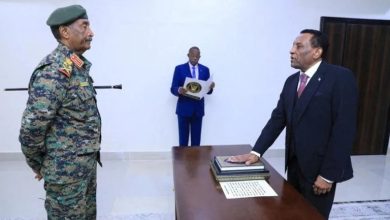
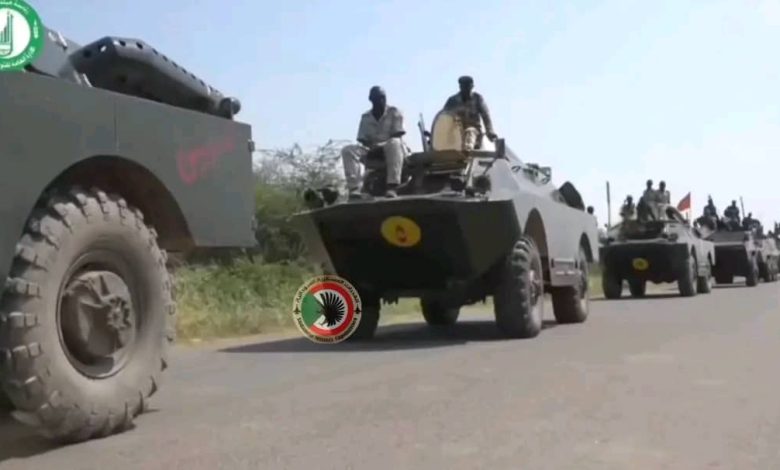
Minni Arko Minawi, the governor of Darfur, announced on Sunday the commencement of military movements toward western Sudan, stating that the objective is to restore sovereignty and protect citizens’ interests. He emphasized that the move is a national duty, noting that the current phase requires a decisive stance to safeguard the country’s unity and prevent the collapse of its institutions. The army had preceded the announcement with sustained airstrikes targeting supply routes, depots, and large militia concentrations and camps across western and southern Darfur, areas that serve as arms smuggling routes. Militias had established these camps to replenish heavy fighter losses sustained in Kordofan and from ongoing air strikes against rebel strongholds. Reports of preparations for a major “Dignity” battle in Darfur have grown recently, while large government and allied forces have been mobilized and positioned in advanced locations in Kordofan as the army finalizes arrangements for what it calls “bone-breaking” battles, paving the way for the entry into Darfur and the launch of the major Dignity offensive. Military observers tracking the situation describe the campaign as historic, noting extensive training and rehabilitation, significant logistical support, and the deployment of advanced weapons whose effects are expected to become evident in the remaining Kordofan clashes and the upcoming simultaneous Darfur operations. Major General M. Salah Mohamed Khalid said that battle assessments are clear and the decision to move west indicates high readiness — a positive development, as the air force’s recent effective operations over Darfur have opened the path for ground forces. “Air strikes in recent weeks have hit militarily sensitive targets, including command centers, supply lines, and training camps, giving forces an advantage for advance. They fully understand the operational complexities and possess comprehensive intelligence from surveillance and tracking systems,” he added, asserting that starting operations in Darfur while continuing in Kordofan prevents militia coordination, exhausts them, and, with the influx of advanced weapons and large numbers of fighters moving west, militias lack the capacity to confront the advancing forces. Military analyst Yasser Saadeldin urged caution, noting that such operations require careful planning and up-to-date intelligence, while acknowledging the air force’s significant role in preparing for the major confrontation. He recalled that militias had once approached to within 500 meters of the Karrari area but failed to capture it and were later expelled from Khartoum despite occupying much of the city for two years. He added that intensive intelligence work combined with air and ground operations exacted a heavy toll on the militias, and the army now appears to be applying a similar approach in Darfur, where the current mobilization, including advanced weapons and a large fighter contingent, could impose severe losses on the militias. From Minawi’s remarks, it appears that high-level military consultations concluded that simultaneous action on all fronts is essential: the army has deployed substantial numbers of fighters and vehicles to areas in Kordofan and Darfur, while air power continues precision strikes across western, southern, and northern Darfur, reaching the border triangle and the towns of Al-Geneina and Nyala to sever supply lines from southern Libya and eastern Chad — routes that have long been used to transport mercenaries, weapons, and evacuate the wounded for treatment in southern Libyan hospitals and Chadian towns. Severing these supply lines is seen as a strategic prerequisite before launching liberation battles in Darfur.