Ethiopia… the UAE… and the Al-Kurmuk Gateway
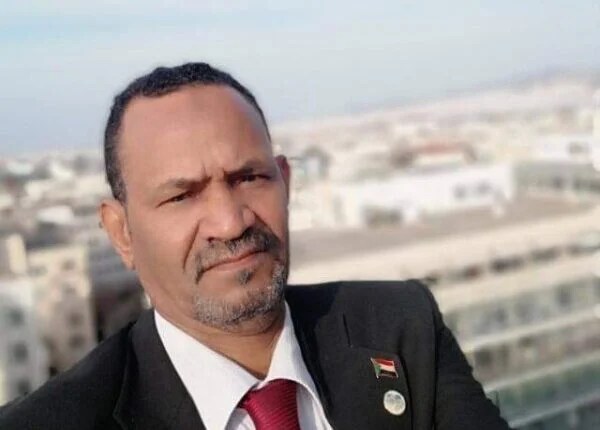
Abdelmalik Al-Naeem Ahmed
The border between Sudan’s Blue Nile State and neighboring—yet hostile—Ethiopia has not been calm during the days of Eid al-Fitr. Attacks have continued from rebel camps inside Ethiopia, using Emirati-supplied weapons, targeting innocent civilians as well as some military garrisons in the region. Through the Rapid Support Forces (RSF) rebels, and with what is described as Ethiopian complicity, the United Arab Emirates appears to be opening a new front aimed at destabilizing security and stability in areas that had remained relatively safe—especially as conditions have deteriorated in Chad, Libya, and even South Sudan.
Despite the displacement of dozens of families from Al-Kurmuk—an area that had long resisted rebellion since the era of the late John Garang—toward safer parts of the state, the Sudanese army, the 4th Division in Ad-Damazin, and allied forces have reportedly inflicted significant defeats on the rebel militia. Several of their leaders were killed in ongoing hit-and-run clashes, the cost of which continues to be borne heavily by civilians. Meanwhile, those who claim concern for delivering humanitarian aid through ceasefire arrangements and truces remain unresponsive—despite the widely understood objectives behind such calls.
The United Arab Emirates—described here as a malign actor, with a near-permanent presence in Ethiopia—has issued a statement amid these attacks, calling for a ceasefire, a humanitarian truce, and the establishment of a civilian government to replace the current internationally recognized authorities. This comes without any official response from Sudan’s Ministry of Foreign Affairs to refute what the author characterizes as the claims of Mohammed bin Zayed and his supporters regarding resilience, progress, and state-building. At the same time, Ibrahim Al-Mirghani, accused here of alignment with the UAE, has claimed that Al-Kurmuk has been “liberated” and that an advance toward other cities in the region is imminent—claims the author dismisses as falsehoods and acts of betrayal.
Ethiopian Prime Minister Abiy Ahmed, whom the author accuses of conspiring against Sudan, may not realize that his own house is made of glass—and that his country is vulnerable to internal destabilization. Or perhaps he does realize it, but relies on Emirati support, which the author believes may not last long. Ethiopia, he argues, is already grappling with at least seven armed opposition movements that enjoy varying degrees of popular backing and remain in ongoing conflict with the government.
These include the Tigray People’s Liberation Front (TPLF), a major political and military force that once governed the Tigray region and remains one of the most prominent opposition groups; the Oromo Liberation Army (OLA), an armed faction active in Oromia and seen as a key representative of Oromo interests; the Fano militias in the Amhara region, grassroots armed formations pursuing what they consider legitimate rights; and the Ethiopian Federalist Forces Coalition, a grouping of political and armed movements calling for a restructuring of the state and its institutions.
Other groups cited include the Agar Democratic Movement, representing the Agar region and its interests; the Agaw Democratic Movement, advocating for broader representation of the Agaw people; and the Benishangul People’s Liberation Movement, active in the Benishangul-Gumuz region and focused on issues of marginalization.
According to the author, this reflects the fragile and internally eroding state of Abiy Ahmed’s government—one that external backing, particularly from the UAE, may not be able to sustain indefinitely as conditions evolve.
While the principle of good neighborliness is enshrined in international norms, and states are expected to respect each other’s security, the author argues that Ethiopia’s alleged actions toward Sudan amount to overt hostility. Under such circumstances, he contends, Sudan would be justified in supporting these armed opposition movements to bring about change in Ethiopia—framing such a stance not as optional, but as a necessity. Safeguarding Sudan’s security, sovereignty, and independence, he concludes, must take precedence above all else—especially if neighboring countries fail to uphold these legal and moral obligations. This argument, he adds, extends as well to South Sudan, Chad, and Libya.