IMF Warns Escalation in Red Sea Could Adversely Affect Economic Activity in Yemen
The International Monetary Fund (IMF) has warned of negative effects on Yemen due to escalation in the Red Sea, also affirming that the halt in oil exports since the Houthi attack on oil facilities in October 2022 have deprived the government of half of its revenues.
The Fund said growth in Yemen is estimated to have contracted by 2 percent in 2023 while inflation remained high, despite declining global food prices.
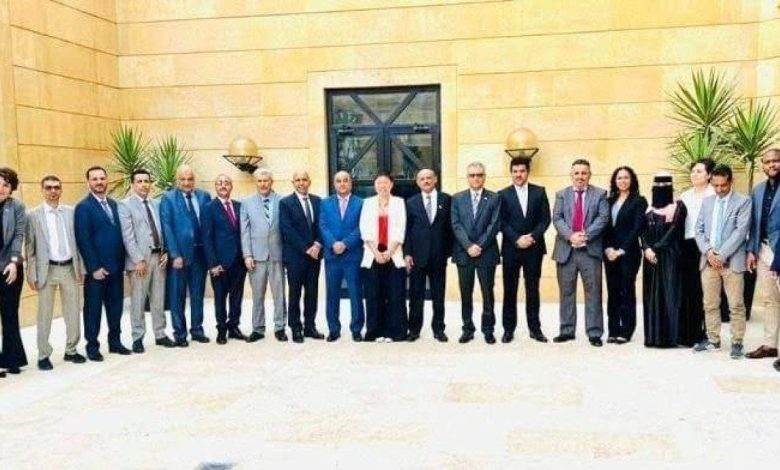
The findings were released after an IMF team held this week its annual consultative meetings with the Yemeni government in the Jordanian capital, Amman.
At the meetings, the government was represented by Central Bank Governor Ahmed Ghaleb and Finance Minister Salem bin Buraik, while the IMF team was led by Joyce Wong.
Discussions covered recent economic developments in Yemen, the economic outlook, and progress on key policy reforms.
At the end of the mission, Wong said the loss of oil exports, which represented more than half of the government’s revenues (4 percent of GDP), is estimated to have widened the fiscal deficit to 4.5 percent of GDP in 2023, adding to pressures on reserves and the exchange rate.
The mission also stressed the importance of continuing to preserve stability in the financial sector and further strengthen compliance in line with international frameworks, including AML/CFT, and national standards. It said this will further facilitate trade and remittances, which are key lifelines for the Yemeni population.
And while the IMF pledged to continue to provide comprehensive technical assistance to Yemen to further enhance institutional capacities, it said it held discussions with partners and key stakeholders to enhance synergies and improve coordination of external assistance.
The mission team then expressed deep appreciation to the Yemeni authorities, technical staff, and all counterparts for their excellent cooperation and candid discussions and looks forward to continued close engagement.