Egypt Plans to Cultivate One Million Feddans in Northern Sudan
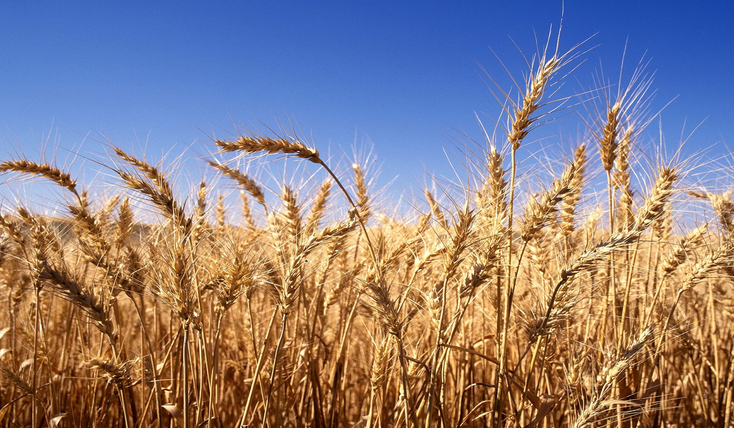
Egyptian government sources have unveiled an ambitious plan to cultivate up to one million feddans in Sudan’s northern states over the next three years, as part of an expanded agricultural cooperation program between the two countries—conditional on improvements in Sudan’s security situation.
A senior Egyptian official told Asharq on condition of anonymity that the first phase of the project will begin next year, covering 250,000 feddans to be planted with strategic crops such as wheat, maize, soybeans, and rice.
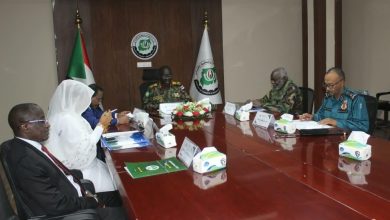
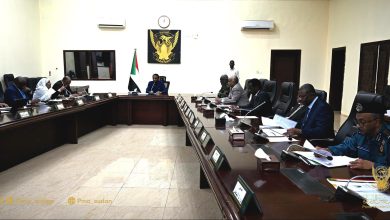
The plan was agreed upon during a meeting between the Egyptian and Sudanese ministers of agriculture in mid-October, where both sides discussed ways to enhance agricultural collaboration. Under the agreement, the Egyptian Ministry of Agriculture will mobilize private sector investors to participate in Sudan, while the Sudanese government will allocate the necessary land for the project.
The Sudanese side also requested an increase in Egyptian fertilizer exports to Sudan—between 200,000 and 250,000 tons—in addition to importing large quantities of wheat and maize seeds, according to the same source.
The initiative falls within Egypt’s broader strategy to expand agricultural projects in Africa, which boasts roughly 900 million hectares of arable land—only about half of which is currently utilized due to infrastructure challenges. Egypt already operates seven farms across various African countries in partnerships between the public and private sectors, with an average of 200 hectares per farm.
Historically, Sudan has been known as “the breadbasket of the Arab world”, thanks to its fertile soil, favorable climate, and abundant water resources. However, the country continues to face major obstacles, including weak investment, poor infrastructure, and ongoing political instability, amid a war between the Sudanese Armed Forces and the Rapid Support Forces now entering its second year.
Despite these challenges, Sudan has continued to attract agricultural investments from several Arab countries—notably Saudi Arabia and the United Arab Emirates—as part of their efforts to bolster food security through overseas farming ventures.