The African Union: Between the Illusion of Democracy, Wasted Interests, and a Mindset of Weakening and Controlling the Continent’s Resources
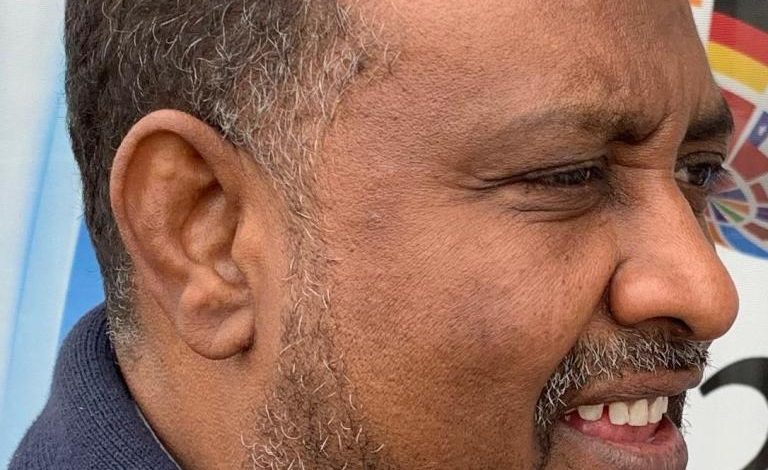
By Abdelaziz Yaqoub
More than six decades after independence, Africa’s 54 nations remain a stage for starkly contrasting models of governance.
First, there are countries that represent a stable and transparent democratic model.
Second, states where military juntas seized power through coups, holding cosmetic elections that provide only a false veneer of legitimacy while generals retain their iron grip.
Third, hybrid or authoritarian systems dominated by hegemonic parties or hollow electoral processes stripped of democratic spirit.
This diversity reveals the deep disparities in governance and institutions across the continent. It reflects the extent to which African states can safeguard rights, ensure power transitions, and serve the interests of their citizens—ranging from strong institutional frameworks to structural collapse driven by authoritarian elites and military rulers.
Only eight countries stand out as commendable exceptions in Africa’s democratic record: Ghana, South Africa, Botswana, Mauritius, Cape Verde, Benin, Namibia, and Senegal. These nations enjoy peaceful transfers of power, independent institutions, tangible civil and political rights, relatively free media oversight, and judiciaries resilient to interference. Despite the challenges of the African context, these experiences have cultivated rare and enduring democratic traditions.
In stark contrast, a wide group of states remain hostage to military regimes cloaked in staged elections and paper parties. Among them: Egypt, Sudan, South Sudan, Algeria, Chad, Mali, Niger, Guinea, Cameroon, Burkina Faso, Togo, Libya, Equatorial Guinea, Congo-Brazzaville, Uganda, Ethiopia, Somalia, Zimbabwe, and Mauritania. Here, governance is defined by military dominance, where institutions serve control rather than representation, security concerns eclipse freedoms, and power transitions play out as an endless theater.
Other states fall into the category of hybrid or authoritarian regimes, thinly veiled in fragile democratic façades. This includes Morocco, Rwanda, Angola, Mozambique, Tunisia, Djibouti, Gabon, Eswatini, Lesotho, Madagascar, Zambia, Guinea-Bissau, Sierra Leone, Liberia, Kenya, Tanzania, Eritrea, Malawi, Gambia, Burundi, and, to a degree, the Democratic Republic of Congo. In the heart of the continent, the Central African Republic, São Tomé and Príncipe, Gabon, and Equatorial Guinea stand as examples of military or semi-military governance sustained by elite interests that obstruct meaningful power transitions. Morocco, meanwhile, has asserted full control over its territories, including Western Sahara—whose legal status remains disputed but is de facto under Moroccan sovereignty—marking a regional shift that reshapes continental power dynamics.
Africa’s fragility deepens with the persistence of armed conflicts in over half of its states, from Libya, Sudan, and South Sudan to Mali, Burkina Faso, Niger, Somalia, the DRC, Ethiopia, and beyond. These conflicts sustain instability, reinforce dependence on external financing—often at the expense of sovereignty—and push demands for security, justice, and development further out of reach, drowned by power struggles and the interests of foreign patrons.
Within this context, the African Union’s suspension of Sudan’s membership emerged as both a political and moral alarm bell. But questions loom: Is the AU genuinely committed to fostering democracy in Sudan? Will other military regimes be judged by the same standard? Are there well-considered plans for transitional democratic reform? Or are external powers orchestrating the scene from behind the curtain, using AU leaders to advance their agendas?
Sudan is not just another state. It is a historic symbol and a cornerstone of support for African liberation movements. It hosted South Africa’s anti-apartheid struggle, contributed to the independence of several states, and offered unconditional backing to freedom movements across the continent. Suspending Sudan’s membership marks a dangerous precedent—never before applied by the Organization of African Unity or the AU against a state of such symbolic weight. This precedent risks sowing division across the continent, prompting some states to scale back their commitment to AU structures, leaving them vulnerable to external exploitation and resource plunder.
This raises a pressing question: Is opposition to Sudan’s reinstatement rooted in genuine moral principles—in a continent dominated by military and authoritarian regimes—or is it part of a broader strategy to weaken Sudan and render it prey to external interests? More than half the continent faces conditions similar to Sudan’s, from armed conflicts to veiled autocracies, suggesting that Sudan’s selective targeting is less about principle and more about transactional politics fueled by external influence and money.
Africa thus finds itself at a sharp moral and political crossroads: Either principles are applied universally, or continental institutions risk devolving into tools for score-settling. Excessive pandering to foreign funders opens the door to internal fragmentation and renewed conflicts, while the continent’s peoples remain deprived of their fundamental demand: the right to self-determination—on their own terms, free from external bargains, and rooted in their national interests.