Utilitarianism and Political Hypocrisy: The Western Face of War and Peace in Sudan (2019–2025)
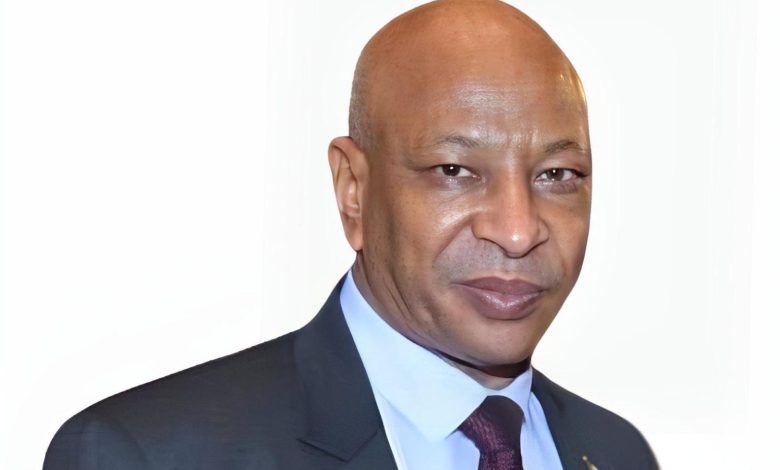
By Ambassador Dr. Muawiya Al-Bukhari
Introduction
For decades, Western engagement with Sudan’s crises has oscillated between public promises and official positions on the one hand, and strategic and economic interests on the other. Sudan, with its strategic geography and abundant natural resources, is more than a humanitarian or political issue: it is a crossroads linking Arab-Islamic culture with the wider African continent, and a stage where regional and international interests collide—security, investment, and resources intertwining. This divergence between humanitarian rhetoric and practical policy has long reflected a pattern of expediency and political hypocrisy in the collective Western approach toward Khartoum.
Since the political upheavals that followed the so-called 2019 revolution, and through to 2025, the utilitarian nature of Western policy and its political duplicity have become increasingly evident. While official statements champion “peace” and “human rights,” events on the ground reveal implicit support for actors fueling conflict, or a deliberate neglect of the root causes of Sudan’s crisis. Sudan’s strategic location and natural wealth have rendered it a battlefield of competing interests, where war is sometimes invested in for leverage, and peace is exploited as a media narrative to polish the West’s image—while humanitarian suffering continues unabated.
Interests Before Principles: A Closer Look** During this period, policies of expediency came sharply into focus:
– Natural Resources: Gold, precious minerals, and oil remained coveted targets for foreign investment even amid armed clashes. The West’s leniency in enforcing sanctions reflected how investment interests outweighed commitments to human rights.
– Strategic Location: Sudan’s access to the Red Sea and its position as a gateway between North Africa and the Middle East made it a magnet for Western and regional agendas, especially amid competition over trade routes and vital maritime corridors.
– Regional and Global Rivalries: Since 2019, Western interests have intertwined with those of regional and extra-regional powers, resulting in contradictory postures: publicly endorsing peace while at times benefiting from the continuation of war to secure influence or safeguard resource flows.
Political Hypocrisy: Human Rights Rhetoric vs. Ground Realities Western duplicity is most visible in the gap between official rhetoric and lived realities:
– Public condemnations of violence, even as certain forms of military or economic support quietly flow to actors prolonging conflict for resource control.
– Sanctions imposed or lifted selectively, serving more as political leverage than as tools for genuine reform.
– Peace plans announced at the international level but rendered ineffective by the absence of real will to address the structural roots of Sudan’s instability.
Expediency and Hypocrisy: Lessons from 2019–2025 Between 2019 and 2025, Western policies toward Sudan offered a textbook case of political expediency and systemic hypocrisy. Official discourse emphasized support for democratic transition, peace, and human rights, yet developments on the ground told another story: tacit backing of resource-controlling factions, half-hearted sanctions, and ambiguous peace frameworks with little enforcement.
Sudan became a theater where strategic and economic interests collided: gold, minerals, and oil turned into tools of pressure and investment, while Sudan’s geography made Western and regional involvement a lever to secure control over key trade and security corridors. The gap between rights-based rhetoric and actual practice confirmed that expediency and duplicity are not abstract concepts but lived realities—where “peace” is often reduced to a promotional slogan, leaving root causes of conflict untouched.
War and Peace: Tools for Strategic Gains In this context, Sudan’s conflict can be viewed as an external instrument serving broader agendas:
– War: A means of securing influence, maintaining access to resources at favorable terms, and reshaping regional balances of power in line with foreign interests.
– Peace: A media narrative designed to project Western benevolence, without addressing the structural drivers of instability.
Conclusion
A close reading of Western behavior toward Sudan between 2019 and 2025 reveals that expediency and duplicity are not theories but operational strategies. Sudanese society must confront this reality with clarity, developing independent national solutions that balance external pressures with the state’s and people’s capacity to adapt and safeguard their interests.
Sustainable peace will not emerge from shifting foreign agendas but from genuine national will, robust internal initiatives, and a commitment to Sudanese priorities—not the ambitions of foreign powers or domestic profiteers of war who exploit outside backing for political ascendance. Recognizing this reality is a crucial step toward reclaiming national sovereignty, strengthening security, and shaping a future that is fairer and more resilient.
For Sudan, the path forward lies in collective awareness of external manipulations and domestic complicity, and in building self-determined strategies that protect the nation’s long-term interests. Enduring peace will only be possible when grounded in national resolve, transcending Western slogans and advancing the Sudanese people’s own vision for justice, stability, and sovereignty.