Debate Over Appointment of Cabinet Secretary-General: Between Merit and Renewal in Sudan’s Civil Service
Report by Munzir Osman / AI Editor
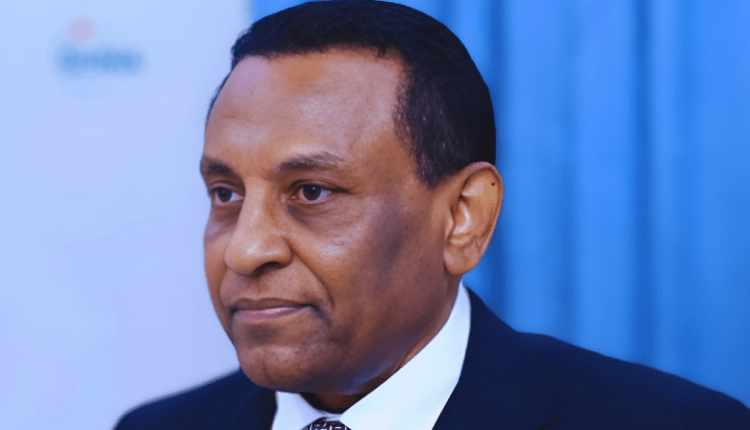
The decision by Sudanese Prime Minister Kamal Idris to appoint Ambassador Ali Hamida as Secretary-General of the Cabinet has not passed quietly. It quickly became the center of heated debate in political and administrative circles—some viewing it as a reformist step to inject fresh energy into the executive apparatus, while others see it as a dangerous precedent undermining the long-standing traditions of the civil service.
The Weight of the Post and the Value of Administrative Tradition
The Secretary-General of the Cabinet is regarded as the backbone of Sudan’s civil service. The position oversees appointments, promotions, record-keeping of cabinet deliberations, and enforcement of service regulations. Administrative expert Dr. Mohamed Al-Amin notes that the post “ranks on par with the most senior undersecretaries and can only be filled by someone with extensive experience in the executive apparatus.”
For decades, the post remained insulated from political interference, traditionally occupied by officials who rose through the Cabinet Secretariat itself. The most notable was Othman Hussein, who served the state for 44 years until his retirement last year.
Accusations of Favoritism and Broken Traditions
The appointment of Hamida has drawn sharp criticism. Journalist Osama Abdel Majid blasted the decision as “blatant favoritism,” arguing it stemmed from Hamida’s personal ties to Prime Ministerial adviser Badr Al-Din Al-Jaifri. “This is the first time a long-standing professional tradition has been broken in favor of friendship and collegiality,” Abdel Majid wrote.
Critics warn the move could lead to “chaos and slackness” in a sensitive institution that requires discipline, not experimentation.
Government Response: Renewal, Not Rupture
In response, the Prime Minister’s office insists the appointment aims to “strike a balance between accumulated expertise and fresh energy,” stressing that Ambassador Hamida’s international diplomatic background equips him to modernize the Secretariat.
A government official—speaking on condition of anonymity—said, “Sudan’s current phase requires competencies with international networks and external experience. The administrative file is no longer purely domestic but intertwined with major global commitments.”
Lessons from Sudan and Abroad
This is not the first time appointments have triggered controversy in Sudan. Under former President Omar al-Bashir, a decision to appoint a tax authority secretary-general was rescinded within 24 hours amid disputes over the legality of the post. Likewise, former Prime Minister Bakri Hassan Saleh reversed the appointment of a minister following uproar about his academic credentials.
Internationally, Israeli Prime Minister Benjamin Netanyahu last year withdrew a nomination for the head of the internal security agency, Shin Bet, just 24 hours after announcing it, following a wave of backlash.
What’s at Stake?
Observers argue the debate over the Secretary-General’s appointment goes beyond Ambassador Hamida himself, raising deeper questions about governance in Sudan’s fragile transitional phase. While many demand strict adherence to civil service traditions, others argue that renewal and openness to new expertise are essential in the post-war context.
Political analyst Professor Hassan Haj Ali warns that “the real test lies in the government’s ability to balance institutional competence with the requirements of reform,” cautioning that “any blatant slide into favoritism could cost the state what little institutional legitimacy it still holds.”
Conclusion
The appointment of Ambassador Ali Hamida stands as a flashpoint between two competing visions: one clinging to rigid administrative traditions, the other calling for renewal to meet the moment. At stake is the very future of Sudan’s civil service—at a time when the country most needs strong, transparent institutions capable of restoring citizens’ trust in the state.