The Political Emergence of Media Figures: A Phase of Sacrifices and the Fall of Masks
Sudan Events – Agencies
What was once whispered has now become public. The media machinery that had long served, to varying degrees, the interests of the Rapid Support Forces (RSF) has now fully mobilized, stepping onto the political stage to openly support the militia. This reflects a coordinated effort to defend the RSF and its backers while attempting to salvage the reputation of the state that supports it. The new media narrative seeks to justify acts of killing, torture, and sexual violence, portraying them as fabrications generated by artificial intelligence deployed by “enemies” to create a false picture of the situation in El Fasher.
Ethnic Allegiances
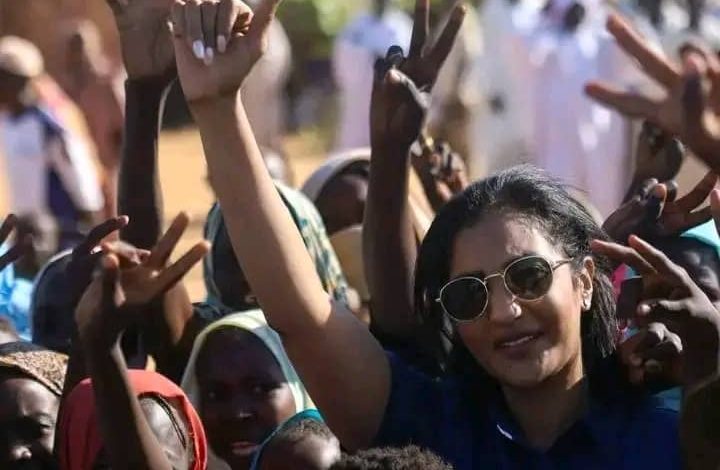
This was clearly demonstrated by Sky News Arabia presenter Tasabeih Khater, who openly revealed her allegiance to the RSF, and by Arab News and Al-Hadath anchor Saad Al-Din Hassan, who echoed similar rhetoric. Their stance coincided with the appearance of other media figures in Nyala, including journalist Al-Jamil Al-Fadil and his colleague Abdel Hafiz Moryoud. But did these figures descend to the field to convey the truth? Or were they driven by ethnic loyalties that aligned them with the militia? The RSF itself framed Khater’s presence not as that of a journalist but as a member of the Rizeigat tribe—an indication of how ethnic identity has shaped the loyalties of certain media professionals who have chosen to support the militia. Among them are figures such as Siboyeh Youssef and others—a long list that extends beyond the names mentioned here.
Media Influence
According to journalist Othman Shuaib, “Before the militia’s coup attempt, Hemedti sent several journalists to Egypt and other countries, providing them with money for accommodation and living expenses, along with promises of monthly salaries as part of his media staff. They were linked with contacts inside some Arab satellite channels and given clear instructions to sway public opinion—blaming General Al-Burhan for the country’s instability, justifying the RSF’s actions, and portraying the events as a ‘reformist’ movement led by elements of the army supported by the RSF.” Shuaib added, “Recently, some of these figures have reappeared on Arab television screens defending the militia. This trend is not limited to journalists—it includes activists such as Abdel Moneim, known as ‘Bigo,’ and Dissis Man, both of whom have shifted from being faces of the December Revolution to full RSF loyalists.” He went on to say that “the UAE believes these figures hold significant media influence and could help ease the growing public anger toward its role in Sudan, prompting them to enter the political arena in an attempt to mitigate anti-Emirati sentiment.”
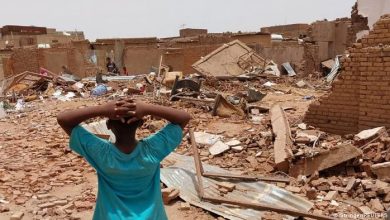
Images recently broadcast from El Fasher sought to depict the city as calm and secure under RSF control, yet independent reports revealed a grim reality: most residents had fled, and those remaining were living in terror amid widespread massacres. The city’s streets are largely deserted except for RSF vehicles patrolling through what has effectively become a ghost town. Reports indicate that at least 50,000 civilians remain detained inside the city, prevented from leaving, turning El Fasher into an open-air prison.
Dire Conditions
Eyewitnesses and survivors have described dire humanitarian conditions after the militia confiscated Starlink devices and mobile phones in an effort to isolate the local population from the outside world. Thousands of civilians are being held in detention and torture sites, including the Eastern Bus Terminal, Al-Rasheed dormitory, El Fasher University, and the Saudi Hospital. Many detainees were forced to record video messages to their families demanding ransom payments ranging from five to one hundred billion Sudanese pounds in exchange for their release. Upon entering El Fasher, the RSF targeted journalists’ homes and arrested many, including Muammar Ibrahim, who appeared in a video as a detainee. Most of those arrested are now missing, though eyewitnesses confirm that they were detained by the RSF. Meanwhile, Tasabeih Khater, Moryoud, Al-Fadil, and others appeared on camera celebrating what they called a “democratic atmosphere” — one created by a militia known only for killing, looting, and terrorizing civilians.