Reports
Sudan’s Economic Events in 2024: A Nation Under Shock
Sudan Events – Agencies
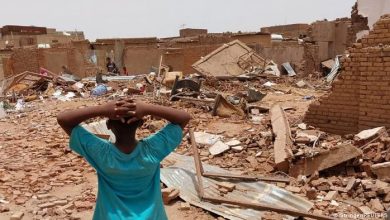
Amid the ongoing conflict between the Sudanese Armed Forces and the Rapid Support Forces (RSF), Sudan’s economy endured a harsh year in 2024. The negative impact of the war dealt devastating blows to the country’s economic foundations, exacerbating the daily struggles of Sudanese citizens. In war-affected states, residents lost their livelihoods due to widespread looting of markets, companies, banks, and homes. Many fled to safer states, where soaring housing rents and increased prices of essential goods further deepened the economic crisis. Inflation rates spiked, the national currency depreciated sharply against foreign currencies, and economic growth indicators plummeted.
According to international reports, including one by the International Monetary Fund (IMF), Sudan’s economy experienced a severe contraction. The GDP shrank by 18.3% in 2023, with projections indicating further contraction to 20.3% by the end of 2024. The report attributed this significant economic downturn to the ongoing conflict, evaluating the country’s performance using key indicators such as GDP growth, inflation rates, and unemployment levels.
Major Economic Events in 2024
One of the most notable events was the government’s currency replacement initiative, which involved exchanging the 500 and 1,000-pound denominations through bank accounts. Additionally, the Sudanese pound reached an unprecedented low of 2,500 pounds per US dollar in May, while inflation soared to 200%. The ongoing war led to disputes between international organizations and the Sudanese government over allegations of famine in the country, exacerbated by the loss of significant agricultural lands due to the conflict.
Economic expert Dr. Mohamed Al-Nayer highlighted key developments, including a severe depreciation of the national currency in 2024, although the decline was halted in the last quarter of the year—a positive indicator. “The exchange rate dropped drastically from 500-600 pounds to 1,500 pounds, marking the largest drop in Sudan’s history,” he stated.
The year also saw the approval of the state’s budget without disclosing its details. While the war justified this secrecy, Al-Nayer emphasized the importance of transparency, suggesting even flexible budgets should be announced and adjusted every 3-6 months under wartime conditions.
Al-Nayer pointed to the Sudanese Mineral Resources Company’s regular gold production reports as a measure of economic performance, estimating export revenues to reach $2 million by December 31—a positive sign. However, he criticized the lack of reports from the Central Bank and Ministry of Finance, noting that media outlets now rely solely on officials’ statements about revenue improvements in the year’s second half.
Regarding the late implementation of the currency replacement initiative, Al-Nayer said, “If this step had been taken in 2023, its impact on the economy would have been far greater. Nevertheless, better late than never.” He highlighted the benefits of reintegrating the cash supply into the banking sector, facilitating electronic transactions, and improving banking networks and apps to enable citizens to deposit money and make direct purchases.
He also stressed the importance of detecting counterfeit currency, which has a destructive impact on the economy, and ensuring that funds are legitimate and not looted. These measures, he said, would stabilize the exchange rate, restore liquidity to banks, and enable long-term project financing.
Looking ahead, Al-Nayer called for the restructuring of banks in 2025 to strengthen them and enhance their competitiveness locally, regionally, and globally.
Losses in Oil and Energy Sectors
In 2024, Sudan faced unprecedented price hikes, leading to soaring inflation rates. The Central Bureau of Statistics resumed publishing inflation data—a positive development amidst the lack of periodic reports.
The oil sector suffered a 50% decline in local production due to RSF occupation of the Khartoum Refinery and prolonged pipeline shutdowns. Additionally, the cessation of oil flows from South Sudan deprived Sudan of critical foreign currency revenues, forcing the country to import 100% of its fuel needs. This reliance on imports further strained the exchange rate.
Source: Al-Muhaqiq website